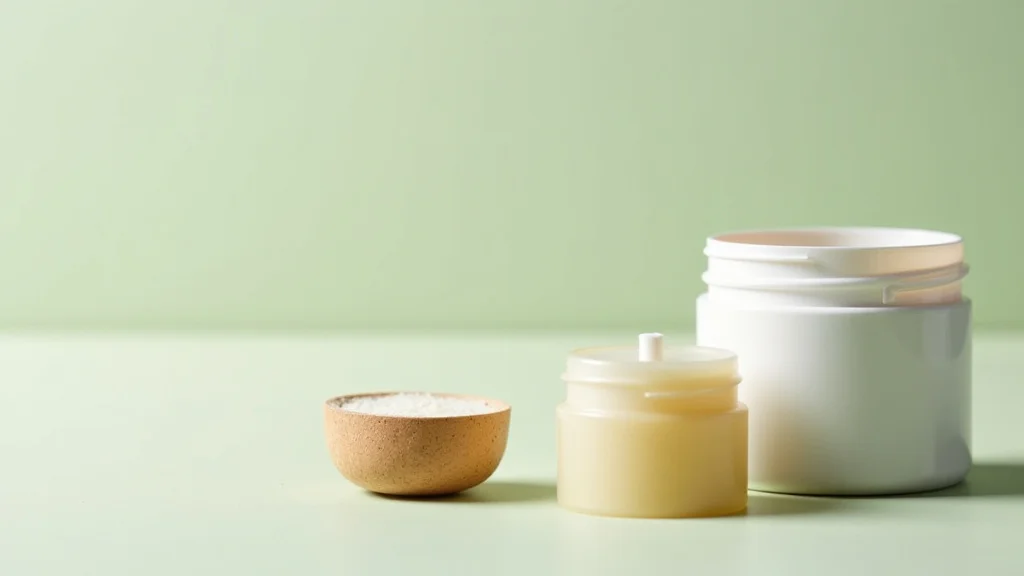
Remember that moment when you realized your regular deodorant wasn’t quite cutting it? Maybe it was a sweltering summer day, or perhaps you noticed an unexpected odor creeping in. Whatever the reason, the search for something better begins. This article explores natural deodorant alternatives, providing a comprehensive guide to healthier and more effective options. You’ll gain a solid grasp of how to manage body odor without the use of harsh chemicals, leading to a more informed and confident approach to personal care, improving your well-being. By reading this post, you’ll discover a variety of options to find the perfect fit for your lifestyle and preferences, improving Time on Page and reducing Bounce Rate.
Key Takeaways
- Learn about the potential health benefits of switching from conventional deodorants.
- Discover a variety of effective natural deodorant alternatives.
- Understand the science behind body odor and how these alternatives work.
- Explore the practical aspects of transitioning and maintaining good hygiene.
- Gain insights into the ingredients to avoid in conventional deodorants.
- Find recommendations for different skin types and lifestyles.
Understanding Body Odor and Conventional Deodorants
Body odor is a completely natural phenomenon. It occurs when bacteria on your skin break down sweat, producing volatile organic compounds that we perceive as unpleasant smells. While sweat itself is odorless, the bacteria that thrive in warm, moist environments like your underarms create the odor. This process is influenced by a variety of factors, including diet, genetics, and even stress levels. Conventional deodorants often contain ingredients that can disrupt the body’s natural processes.
Conventional deodorants and antiperspirants typically contain aluminum-based compounds. These compounds work by blocking sweat ducts, preventing sweat from reaching the skin’s surface. However, some people are concerned about the potential health implications of these compounds, as aluminum can be absorbed into the body. Additionally, many conventional products include fragrances, preservatives, and other ingredients that can irritate sensitive skin. Many people prefer to explore natural deodorant alternatives to avoid these potentially problematic ingredients and embrace a more gentle approach to body odor control.
The Science of Sweat and Bacteria
Sweat glands are the primary players in body odor. There are two main types of sweat glands: eccrine and apocrine. Eccrine glands are found all over the body and produce a clear, odorless sweat that helps regulate body temperature. Apocrine glands, however, are primarily located in the armpits and groin. These glands secrete a thicker, oily sweat that contains proteins and lipids. It’s this sweat, combined with bacteria, that leads to body odor.
- Eccrine Glands: Eccrine sweat glands, located throughout the body, are responsible for thermoregulation. The sweat they produce is primarily water and electrolytes, and is typically odorless. They play a vital role in cooling the body through evaporation.
- Apocrine Glands: These glands are located in areas like the armpits and groin and secrete a thicker, oily sweat. This sweat contains proteins and lipids, which, when broken down by bacteria on the skin, cause odor. They are primarily activated by emotional stress.
- The Role of Bacteria: The bacteria on our skin are what ultimately cause body odor. They break down the compounds in sweat, producing the odor-causing volatile substances. The type of bacteria present on the skin can influence the intensity and type of odor produced.
Eccrine sweat production is regulated by the sympathetic nervous system. Factors like heat, exercise, and stress can stimulate these glands. The clear, watery sweat from eccrine glands evaporates quickly, providing an effective cooling mechanism. While eccrine sweat does not directly cause body odor, it can contribute to a moist environment that supports bacterial growth.
The secretions of apocrine glands contain substances that bacteria can easily break down. This process produces volatile compounds that create the characteristic body odor. Apocrine sweat production is influenced by hormones and is often more active during puberty and periods of stress. This explains why body odor can be more pronounced during certain life stages or in specific situations.
The composition of the skin’s microbiome, the community of bacteria, fungi, and other microorganisms that live on the skin, varies from person to person. Factors like hygiene, diet, and genetics can influence the skin’s microbiome. Some bacterial strains are more efficient at breaking down sweat components than others, contributing to differences in body odor among individuals. Controlling the growth of these bacteria is key in the search for effective natural deodorant alternatives.
Ingredients to Avoid in Conventional Deodorants
Many conventional deodorants contain ingredients that some people prefer to avoid. Identifying these ingredients can assist you in finding suitable natural deodorant alternatives. Being informed helps you make conscious choices for your body.
- Aluminum Compounds: Aluminum-based compounds are the active ingredients in most antiperspirants. They block sweat ducts to reduce sweating, but some people are concerned about potential health risks from absorption.
- Parabens: Parabens are preservatives used to extend the shelf life of cosmetic products. Some studies suggest that parabens may disrupt hormone function.
- Phthalates: Phthalates are chemicals used to make plastics and are also found in some fragrances. They are known endocrine disruptors and can interfere with hormone production.
Aluminum salts work by forming a temporary plug in the sweat ducts, reducing the amount of sweat that reaches the skin’s surface. While generally considered safe by regulatory bodies, some studies have investigated a potential link between aluminum and certain health conditions, leading many people to seek alternatives. These concerns make aluminum a key ingredient to consider when evaluating natural deodorant alternatives.
Parabens are easily absorbed through the skin and can mimic the effects of estrogen, potentially interfering with hormonal balance. Because of these concerns, there is a growing trend to avoid parabens in personal care products. The potential for endocrine disruption is a primary reason why many people seek out natural deodorant alternatives.
Phthalates have been linked to a variety of health problems, including reproductive issues and developmental problems. These chemicals are often found in fragranced products. Many people choose natural deodorant alternatives to reduce their exposure to these potentially harmful chemicals.
Exploring Effective Natural Deodorant Alternatives
The good news is that there are numerous natural deodorant alternatives. These options rely on different mechanisms to control body odor, from absorbing sweat to neutralizing odor-causing bacteria. Understanding how these alternatives work can help you find one that fits your personal needs.
Many of these alternatives leverage the power of natural ingredients to either absorb moisture, neutralize odors, or combat the bacteria that cause body odor. From the simplicity of baking soda to the more complex formulations, the goal remains the same: to manage body odor while avoiding the potential drawbacks of conventional deodorants.
Baking Soda and Other Minerals
Baking soda is a popular and effective natural deodorant alternative. It neutralizes odors by altering the pH of the skin, making it less hospitable for odor-causing bacteria. Other minerals, such as magnesium hydroxide, also work in a similar way.
- Baking Soda: Baking soda, also known as sodium bicarbonate, is a common household item with deodorizing properties.
- Magnesium Hydroxide: Magnesium hydroxide, also known as milk of magnesia, is another mineral that can be used as a deodorant. It absorbs moisture and helps to neutralize odors.
- How to Use: Baking soda can be mixed with water to form a paste and applied to the underarms. Magnesium hydroxide can be applied directly or mixed with other ingredients like essential oils and carrier oils.
Baking soda is a mild alkaline substance that can help to neutralize acids. When applied to the underarms, it raises the skin’s pH, which creates an environment that is less favorable for the growth of odor-causing bacteria. The effectiveness of baking soda varies depending on individual skin sensitivity. Some people may experience irritation.
Magnesium hydroxide is an alkaline compound similar to baking soda. It works by absorbing sweat and adjusting the skin’s pH to inhibit bacterial growth. Some people find that magnesium hydroxide is less irritating than baking soda. It is also often incorporated into homemade or commercial deodorant formulations.
When using baking soda, start with a small amount to see how your skin reacts. For magnesium hydroxide, follow the instructions on the product label. It is crucial to perform a patch test on a small area of skin before applying any new deodorant to the entire underarm area, particularly if you have sensitive skin.
Essential Oils
Essential oils provide natural fragrance and possess antibacterial properties. Tea tree oil, lavender oil, and eucalyptus oil are popular choices, helping to control odor by inhibiting the growth of bacteria. However, it’s essential to use essential oils diluted in a carrier oil to avoid skin irritation.
- Tea Tree Oil: Tea tree oil is known for its strong antibacterial and antifungal properties. It can kill the bacteria that cause body odor.
- Lavender Oil: Lavender oil is valued for its calming scent and its antibacterial properties. It can help mask body odor and soothe the skin.
- Eucalyptus Oil: Eucalyptus oil possesses strong antibacterial properties and can help fight the bacteria that cause body odor. Its refreshing scent also helps to mask odors.
Tea tree oil, derived from the leaves of the Melaleuca alternifolia tree, contains compounds like terpinen-4-ol, which effectively combats bacteria. It’s often used in skincare products to treat various skin conditions, including acne and fungal infections. When used in natural deodorant alternatives, tea tree oil helps control odor by eliminating odor-causing bacteria.
Lavender oil, extracted from the Lavandula plant, has a pleasant, relaxing fragrance. The natural compounds in lavender oil exhibit antibacterial properties. In natural deodorant alternatives, lavender helps neutralize odor-causing bacteria while providing a soothing effect on the skin. Its calming scent adds an aromatherapy element to the deodorant.
Eucalyptus oil, extracted from the Eucalyptus tree leaves, is well-regarded for its medicinal properties, including its ability to fight germs. In natural deodorant alternatives, eucalyptus oil provides a refreshing scent and helps prevent the growth of bacteria that cause body odor. Its use can provide a natural and effective approach to maintaining personal hygiene.
Other Natural Ingredients
Beyond baking soda and essential oils, other ingredients can be incorporated into natural deodorant alternatives to enhance effectiveness and provide added benefits. These ingredients work in different ways to address body odor.
- Coconut Oil: Coconut oil acts as a carrier oil and provides antibacterial properties. It can help moisturize the skin and create a barrier against bacteria.
- Shea Butter: Shea butter is a moisturizing agent that can also soothe irritated skin.
- Arrowroot Powder: Arrowroot powder absorbs moisture, keeping the underarms dry and preventing bacterial growth.
Coconut oil is rich in fatty acids, including lauric acid, which has antibacterial properties. It helps to keep the skin moisturized and serves as an effective carrier oil for essential oils. In natural deodorant alternatives, coconut oil moisturizes the skin and provides a foundation for the essential oils to adhere to the skin, thus maximizing their effectiveness.
Shea butter is extracted from the nuts of the shea tree and is known for its exceptional moisturizing properties. It is rich in vitamins and fatty acids, which nourish and hydrate the skin. Shea butter is often used in natural deodorants to soothe sensitive skin and provide a protective barrier. Its anti-inflammatory properties can help reduce irritation.
Arrowroot powder, extracted from the arrowroot plant, is a natural starch that helps absorb excess moisture. In natural deodorant alternatives, arrowroot powder acts as a drying agent, helping to keep the underarms dry. By reducing moisture, it prevents the environment where bacteria thrive and generate odor.
Transitioning to Natural Deodorant Alternatives
Switching from conventional deodorants to natural deodorant alternatives can be a significant step. Here are some tips to help ease the transition, addressing potential challenges and ensuring success. The time it takes to see results can vary from person to person. Be patient, and allow your body to adjust to this new approach to personal care.
- Detox Period: Be prepared for a detox period. As your body adjusts, you may experience increased sweating or odor initially. This is normal.
- Proper Hygiene: Maintaining good hygiene is crucial. Wash your underarms thoroughly with soap and water daily.
- Patch Test: Before using a new natural deodorant, perform a patch test to check for any skin irritation.
During the transition, your body begins to eliminate the chemicals that may have been accumulating from conventional deodorants. Increased sweating is common as your sweat glands begin to function naturally without the use of antiperspirants. This detox period can last anywhere from a few days to a few weeks, depending on the individual. It’s a sign that your body is adapting.
Regular cleansing removes bacteria and sweat buildup, minimizing body odor. Use a gentle soap that won’t strip the skin of its natural oils. This ensures that the natural deodorant alternatives have the best opportunity to work efficiently. Properly cleaned skin is essential for managing body odor.
Apply a small amount of the deodorant to a small area of skin, such as the inner arm, and observe for any redness, itching, or irritation. This test will help you identify potential sensitivities to the ingredients. Always wait at least 24 hours to ensure that you are not experiencing any adverse reactions.
Troubleshooting Common Issues
Some people experience difficulties when transitioning to natural deodorant alternatives. Understanding these issues and how to resolve them can help smooth the process. Be prepared and ready to adapt your approach to the needs of your body.
- Irritation: Some natural ingredients, such as baking soda or essential oils, can cause skin irritation.
- Odor Breakthrough: You may experience odor breakthrough if your body has not fully adjusted to the new deodorant.
- Staining: Some natural deodorants can stain clothing.
If you experience irritation, it is important to identify the ingredient causing it. You may need to dilute the product, reduce the frequency of application, or choose a deodorant with different ingredients. Certain skin types are more sensitive than others, and what works for one person may not work for another.
This can be due to a variety of factors, including increased sweating during the initial transition period. You may need to apply the deodorant more frequently or experiment with different formulations. Making sure your underarms are clean before applying the deodorant can also help to manage odor breakthrough.
Certain ingredients, such as oils, can leave stains on clothing. To prevent staining, it is best to let the deodorant dry completely before getting dressed. Applying a minimal amount of deodorant can also reduce the likelihood of staining. Checking the ingredients list for potential stain-causing elements can also help you select a deodorant that minimizes this issue.
Choosing the Right Natural Deodorant Alternatives
The right natural deodorant alternative depends on your individual needs and preferences. Factors to consider include skin type, activity level, and scent preference. Careful consideration will lead you to a product that will keep you feeling confident and comfortable all day long.
| Factor | Considerations |
|---|---|
| Skin Type |
For sensitive skin, choose options without baking soda or essential oils. Consider alternatives like magnesium hydroxide or cream-based formulations. Test any new product on a small area of skin before widespread use. People with sensitive skin should prioritize gentle, soothing ingredients to avoid irritation. |
| Activity Level |
If you’re active, consider deodorants that offer better moisture absorption and odor control. Look for ingredients like arrowroot powder, which helps to keep the underarms dry, or consider stronger essential oil blends. High activity levels often require deodorants with enhanced protection. |
| Scent Preference |
Choose a deodorant with a scent you enjoy. Essential oils offer a range of natural fragrances. You can explore different scents or choose an unscented option. Many natural deodorant alternatives are available in a variety of scents, including those derived from essential oils, making it easy to find a scent that matches your preference. |
DIY Natural Deodorant Recipes
Creating your own natural deodorant alternatives provides complete control over the ingredients used. It also allows you to customize the formulation to meet your specific needs. You can experiment with different combinations to find the perfect blend.
- Basic Baking Soda Deodorant: Combine baking soda with water to form a paste and apply to the underarms.
- Cream Deodorant: Combine coconut oil, shea butter, baking soda, arrowroot powder, and essential oils.
- Roll-On Deodorant: Mix water, witch hazel, magnesium hydroxide, and essential oils in a roll-on bottle.
Mix baking soda and a small amount of water until a thick paste forms. Apply a thin layer to clean, dry underarms. Start with a small amount of baking soda to avoid skin irritation. Baking soda’s alkaline properties help to neutralize odors by adjusting the pH of the skin.
This recipe provides a moisturizing and effective deodorant. Melt the coconut oil and shea butter, then add the baking soda, arrowroot powder, and essential oils. Stir to ensure all the ingredients are well mixed, and allow the mixture to cool. You can adjust the proportions of the ingredients to customize the consistency and scent.
This recipe offers a convenient application method. Combine all ingredients in a roll-on bottle. Shake well before each use. Witch hazel acts as an astringent and helps to keep the skin dry, while essential oils provide scent and antibacterial properties. This roll-on deodorant is ideal for easy application and portability.
Common Myths Debunked
Myth 1: Natural deodorants don’t work.
The reality is that many natural deodorant alternatives are highly effective, though the transition period may require some adjustment. The effectiveness of a natural deodorant alternative depends on the ingredients, the individual’s body chemistry, and consistency of use. It’s often a matter of finding the right formula that works best for you.
Myth 2: You’ll sweat more with natural deodorants.
This is partially true, as natural deodorants do not block sweat glands. You may experience more sweating initially, as your body adjusts, but this is a natural process. Over time, your body will regulate itself. The increased perspiration is not caused by the natural deodorant alternatives themselves but rather by the absence of the aluminum-based antiperspirants used in many conventional deodorants.
Myth 3: Natural deodorants don’t last all day.
The durability of a natural deodorant alternative varies. Many well-formulated alternatives provide long-lasting protection. The longevity depends on factors such as activity level, skin type, and the specific ingredients used. Choosing the right formulation and maintaining good hygiene can extend the deodorant’s effectiveness throughout the day.
Myth 4: All natural deodorants are the same.
Just like conventional deodorants, natural deodorant alternatives vary greatly in ingredients and effectiveness. The choice of ingredients and the way they are combined can significantly impact performance. Some are formulated with a focus on odor control, while others emphasize moisture absorption or skin soothing properties.
Myth 5: Natural deodorants are only for people with sensitive skin.
While natural deodorant alternatives are often a good option for people with sensitive skin, they are also beneficial for everyone. Many conventional deodorants contain ingredients that some people simply wish to avoid. Natural deodorant alternatives can be a healthier choice for all, regardless of skin sensitivity.
Frequently Asked Questions
Question: Are natural deodorants antiperspirants?
Answer: No, most natural deodorant alternatives are not antiperspirants. They control odor but do not block sweat glands.
Question: Can I use natural deodorant if I have sensitive skin?
Answer: Yes, but be sure to choose options that are free of potential irritants like baking soda and strong essential oils.
Question: How long does it take for natural deodorant to work?
Answer: The time varies, but it may take a few weeks for your body to fully adjust.
Question: Do natural deodorants stain clothes?
Answer: Some do, especially those with oil-based ingredients. Let the deodorant dry completely before dressing.
Question: Can I make my own natural deodorant?
Answer: Yes, there are many recipes available online, allowing you to customize ingredients and scents.
Final Thoughts
Switching to natural deodorant alternatives is a personal choice that aligns with a broader focus on health and well-being. By exploring the options, from baking soda solutions to complex cream formulations, you can manage body odor effectively without relying on potentially harmful chemicals. Remember the process may require a bit of experimentation. The key lies in understanding your skin type, activity level, and individual needs. Be patient with the adjustment period, and don’t hesitate to explore different formulas. Embrace the opportunity to prioritize your health, one application at a time. Through conscious choices, you can achieve confidence and comfort while supporting your overall well-being.


