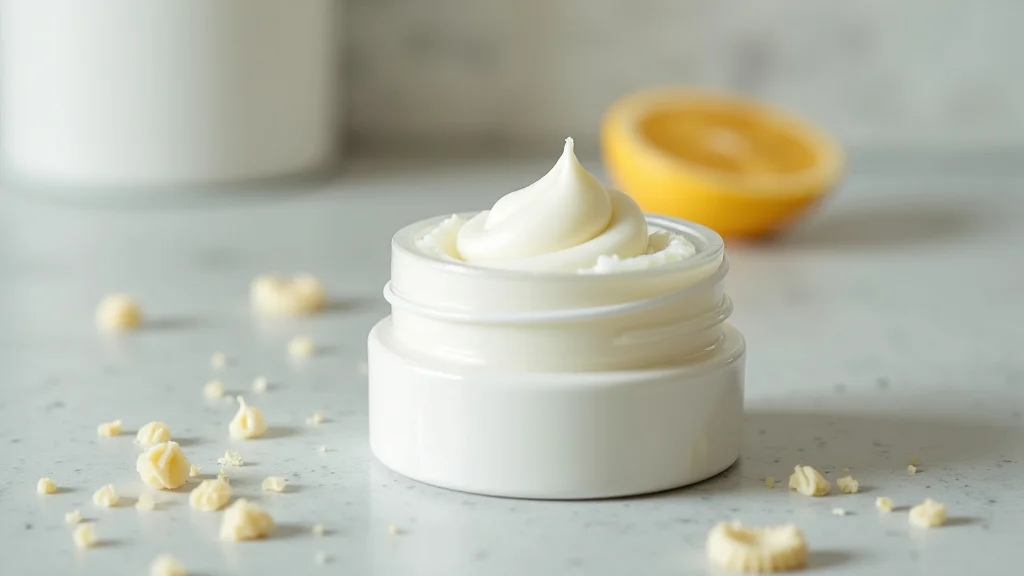
Remember that sinking feeling? You’re rushing to get ready, throw on your favorite white shirt, and then.the dreaded yellow armpit stains! We’ve all been there. Finding a natural deodorant that doesn’t stain clothes feels like a quest, doesn’t it? This guide aims to help you in your search, sharing effective strategies and insights. You’ll learn what causes those frustrating stains, what ingredients to look for (and avoid), and how to choose the right natural deodorant that doesn’t stain clothes for your lifestyle. Get ready to bid farewell to those unsightly marks and discover a fresh approach to underarm care.
Key Takeaways
- Learn the primary reasons why deodorant stains clothes.
- Identify common ingredients that contribute to staining.
- Discover effective strategies for stain prevention.
- Find recommendations for natural deodorant that doesn’t stain clothes.
- Understand how to care for your clothes to remove existing stains.
- Gain confidence in choosing a deodorant that suits your needs.
Understanding Deodorant Staining
Deodorant stains are a common problem. They’re not just unsightly, they can damage your favorite shirts. The process is a combination of ingredients reacting with sweat and body oils, then clinging to the fabric fibers. Stains typically appear as yellow or white marks, often more visible on lighter colored clothing. It’s a frustrating issue that many people face. Getting to know the root causes of staining helps you in selecting products and developing habits to limit their effects on your clothes.
The Science Behind Stains
Several factors create deodorant stains. Primarily, these stains form through the interactions of the ingredients in your deodorant with perspiration. Aluminum-based deodorants, which are antiperspirants, are often cited as primary culprits. Aluminum compounds work by blocking sweat ducts, but they can also react with sweat and skin oils to leave residue. This residue builds up, becoming more visible over time and appearing as yellow discoloration, particularly in areas with heat and friction. Certain ingredients like oils, waxes, and fragrances can worsen the problem. These components can attract and trap sweat and other particles, contributing to stain formation.
- Aluminum Compounds: These react with sweat, creating yellow stains.
- Oils and Waxes: They act as a magnet for sweat, increasing stain visibility.
- Fabric Type: Delicate fabrics stain easier than sturdy ones.
- Friction and Heat: They accelerate stain formation.
Common Staining Agents
Certain ingredients are more prone to causing stains. Understanding these can help you avoid them. Aluminum chlorohydrate, the most prevalent ingredient in antiperspirants, is known for its staining potential. Similarly, various oils found in deodorants, such as mineral oil, coconut oil, and shea butter, can contribute to stains. These oils attract sweat and body oils, making stains more noticeable. Waxes, often used for product consistency, can also trap particles, leading to residue build-up. Fragrances, while making you smell nice, may react with sweat and other components to accelerate staining.
- Aluminum Chlorohydrate: This commonly used antiperspirant ingredient can lead to yellow stains.
- Oils: Oils, like mineral oil and coconut oil, trap sweat and accelerate staining.
- Waxes: Waxes trap sweat and oil, and often cause residue buildup.
- Fragrances: Certain fragrance compounds might react and cause discoloration.
Fabric Considerations
The type of fabric matters. Natural fibers, like cotton and linen, tend to absorb stains more readily, making them more susceptible to discoloration. Synthetic fabrics, like polyester and nylon, are often less prone to staining due to their different chemical makeup. However, they may still show stains, especially if the product is oil-based. Darker fabrics can hide stains longer, but any staining may become more visible after repeated washes. Knowing your clothing’s material helps you select deodorants and adopt laundry practices that minimize staining.
- Cotton and Linen: These are naturally absorbent and prone to staining.
- Polyester and Nylon: Often less susceptible, but not entirely stain-proof.
- Dark Colors: Stains may be less obvious initially, but still present.
- Delicate Fabrics: Require gentle care, including stain removal methods.
Choosing a Natural Deodorant That Doesn’t Stain Clothes
The best way to sidestep stains is by choosing a deodorant formulated to minimize them. This includes selecting products with ingredients that are less likely to react with sweat and body oils. Look for products that utilize natural ingredients known for their absorption properties, without harmful chemicals. This section will guide you through choosing the right natural deodorant that doesn’t stain clothes, providing key tips for making informed choices. The goal is to balance effective odor protection with minimal staining potential.
Ingredients to Seek Out
Several natural ingredients work well in deodorants without causing stains. Baking soda, when used in the right concentration, can effectively neutralize odors. However, it can sometimes cause skin irritation for certain people. Arrowroot powder and tapioca starch are excellent absorbents, soaking up moisture and reducing the likelihood of stains. Essential oils, which add fragrance without synthetic chemicals, can be a great option, though you need to ensure they are properly diluted to prevent skin irritation. Look for deodorants that include these ingredients in their formulation. This approach ensures effective odor control with minimal staining.
- Baking Soda: Effective for odor control, but consider potential irritation.
- Arrowroot Powder and Tapioca Starch: Excellent moisture absorbers.
- Essential Oils: Provide fragrance without synthetic chemicals.
- Magnesium Hydroxide: A natural mineral that helps combat odor.
Ingredients to Avoid
Certain ingredients can contribute to staining. Aluminum-based compounds, found in many antiperspirants, are known stain producers. While they effectively reduce sweating, they also have a higher chance of reacting with sweat and body oils, leading to stains. High concentrations of oils and waxes can trap moisture and debris, causing build-up on your clothes. Synthetic fragrances can react with sweat and contribute to discoloration. Avoiding these ingredients in your deodorant can significantly lower the risk of clothing stains.
- Aluminum Chlorohydrate: A common antiperspirant ingredient that causes staining.
- Mineral Oil: Can attract sweat, causing residue.
- Waxes: May trap particles and cause build-up.
- Synthetic Fragrances: Can react with sweat, contributing to staining.
Testing and Application
Before adopting a new deodorant, try a spot test on a dark garment to assess its staining potential. Apply the deodorant and let it dry before putting on your clothes. Then, wear the garment for a full day and inspect it for any staining. Proper application matters too. Use a thin layer of deodorant and allow it to dry completely before dressing. Too much product can lead to build-up and increased staining. Make sure your underarms are clean and dry before each application.
- Spot Test: Apply to a dark garment before regular use.
- Thin Layer: Using less product can reduce staining.
- Allow Drying: Wait for the deodorant to dry before dressing.
- Clean Underarms: Ensure they’re clean and dry before applying.
Preventing Stains: Tips and Tricks
Preventing stains is easier with a few simple habits. Using a good natural deodorant that doesn’t stain clothes is a start. But incorporating other strategies in your daily routine can further protect your clothing. These measures can help you enjoy your clothes without worry. From pre-treating clothes to careful application techniques, these steps are practical and effective in keeping your garments stain-free.
Pre-Treatment Strategies
Before washing, pre-treating clothes helps prevent stains from setting. You can use a stain remover specifically made for deodorant, or try a mixture of baking soda and water to pre-treat stained areas. Apply the pre-treatment to the stained area, let it sit for a few minutes, then wash as usual. Alternatively, you can soak stained garments in a solution of warm water and white vinegar before washing. The acidic nature of vinegar can help dissolve residue, making stains easier to remove during washing.
- Stain Removers: Use specialized products designed for deodorant stains.
- Baking Soda and Water: Create a paste for pre-treating stains.
- White Vinegar: Soak garments in a water and vinegar solution.
- Dish Soap: Some dish soaps effectively lift stains.
Washing Techniques
Proper washing is crucial for stain removal. Wash stained clothes as soon as possible, as the longer the stain sets, the harder it is to remove. Check the care label before washing, and use warm or hot water if the fabric allows. Avoid overloading your washing machine, as this can reduce the effectiveness of the wash. Consider an extra rinse cycle to remove any lingering residue from the detergent and deodorant. Inspect your garments after washing. If stains remain, repeat the pre-treatment and washing process.
- Wash Immediately: Treat stains promptly for easier removal.
- Water Temperature: Use warm or hot water (check garment care label).
- Avoid Overloading: Ensure clothes have room to circulate.
- Extra Rinse: Remove residue from detergent and deodorant.
Clothing Choices
Certain clothing choices can help to minimize the visibility of stains. Wearing looser-fitting clothes allows for better airflow, reducing sweat and the chance of stains. Choose breathable fabrics, such as cotton and linen, as they are often easier to launder and less likely to show stains compared to tighter materials. Opting for darker colors or patterns can help camouflage any potential stains, giving you a wider variety of options. Try to avoid wearing the same clothes consecutively without washing them.
- Loose Fit: Helps with airflow and reduces staining.
- Breathable Fabrics: Cotton and linen are easier to clean.
- Darker Colors: Camouflage potential stains effectively.
- Rotation: Wash clothes after each wear.
Laundry Practices for Stain Removal
Even with the best precautions, stains can happen. Knowing how to handle them is vital for preserving your clothes. Several stain removal methods are available. This section explores these practices in detail, providing step-by-step instructions. From gentle approaches to more aggressive strategies, these practices help you tackle stains efficiently, saving you money and the lifespan of your clothes.
Gentle Methods
Start with gentle methods to remove stains, as they are less likely to damage your clothing. Soaking the garment in a solution of warm water and white vinegar is a good first step. This helps loosen the stain. You can then gently rub the stained area with a soft cloth and a mild detergent or dish soap. Rinse the area thoroughly with cold water. Avoid rubbing too hard, as this can damage the fabric. If the stain remains, consider repeating the process or moving to a more aggressive removal method.
- Soaking: Start with warm water and white vinegar.
- Mild Detergent: Use dish soap or gentle detergents.
- Soft Cloth: Gently rub the stained area.
- Cold Water Rinse: Rinse thoroughly after treatment.
More Aggressive Approaches
For more stubborn stains, you might need to use more aggressive methods. Create a paste with baking soda and water, apply it to the stain, and let it sit for a few hours before washing. Another option is to use a stain remover spray and follow the instructions on the product label. If the garment is white, you can also use a bleach solution (always test in an inconspicuous area first). After treating the stain, wash the garment as usual. Be cautious with these methods, especially on delicate fabrics, to prevent damage.
- Baking Soda Paste: Apply to the stain and allow it to dry.
- Stain Remover Sprays: Follow product instructions.
- Bleach (for Whites): Use with caution, test first.
- Repeat Process: If needed, repeat the treatment and wash.
When to Seek Professional Help
Sometimes, stains are too difficult to remove at home. Delicate fabrics or persistent stains might require professional cleaning. If a stain persists after multiple attempts at home, or if you’re concerned about damaging the garment, consider taking it to a professional dry cleaner. They have specialized equipment and chemicals to effectively remove stains. Providing your dry cleaner with information about the stain, including its source and how long it has been there, can help them choose the most effective treatment.
- Delicate Fabrics: Require specialized care.
- Persistent Stains: May need professional treatment.
- Provide Information: Help the dry cleaner choose a solution.
- Follow Instructions: Make sure you give all the required info.
Common Myths Debunked
Frequently Asked Questions
Question: Does natural deodorant really work?
Answer: Yes, many natural deodorants effectively control odor. They often use ingredients like baking soda, arrowroot powder, or essential oils to absorb moisture and neutralize odors without relying on harsh chemicals or aluminum.
Question: Are all natural deodorants stain-free?
Answer: No, not all natural deodorants are stain-free. Some ingredients, such as oils and waxes, can contribute to staining. Choosing a deodorant specifically formulated to minimize staining, and following stain prevention tips, increases your chances of avoiding stains.
Question: Can I remove deodorant stains from clothes?
Answer: Yes, deodorant stains can often be removed. Pre-treating the stains with a solution of baking soda and water or white vinegar before washing is very effective. Proper washing techniques, including using warm or hot water and an extra rinse cycle, also contribute to stain removal.
Question: What’s the difference between deodorant and antiperspirant?
Answer: Deodorants aim to mask or neutralize body odor, whereas antiperspirants reduce sweating by blocking sweat ducts. Antiperspirants commonly contain aluminum-based compounds. Natural deodorants focus on odor control without disrupting the natural sweating process.
Question: How do I choose the right natural deodorant?
Answer: Consider your skin sensitivity and activity level. Read ingredient lists carefully, opting for products with stain-reducing ingredients like arrowroot powder, tapioca starch, and magnesium hydroxide. Test a small amount on your skin before regular use to ensure it doesn’t cause irritation.
Final Thoughts
Finding a natural deodorant that doesn’t stain clothes doesn’t have to be a constant struggle. By understanding the causes of staining, knowing the ingredients to seek out (and avoid), and adopting smart laundry habits, you can effectively protect your clothing. Remember that a bit of experimentation might be needed to find the perfect product and routine. Prioritize products with absorbent ingredients, test new deodorants before regular use, and always pre-treat your clothes before washing to maintain their fresh appearance. You can enjoy effective odor control without worrying about unsightly stains. With a bit of patience and the right knowledge, you can maintain your clothes and feel great.


