Last updated: October 26, 2026
Quick answer: In natural deodorant and dark underarms, the most common issue is underarm hyperpigmentation from irritation, friction, shaving, or a skin condition—not “natural” deodorant alone. If your underarms look darker after switching products, a dermatologist or other professional can help you sort out the cause. (Source: AAD)
Natural deodorant can be part of the problem, but dark underarms are usually about underarm hyperpigmentation from irritation, friction, shaving, or a skin condition—not “natural” deodorant alone. If your underarms look darker after switching products, the first question is whether your skin is reacting, not whether the deodorant is fashionable. For natural deodorant and dark underarms, the key is to look at what changed in your routine. (Source: AAD)
Key takeaways
- Dark underarms often come from repeated irritation, not from color alone.
- Baking soda is a common trigger because it can be too alkaline for some underarm skin.
- Fragrance, frequent shaving, and rubbing from clothing can all add to discoloration.
- If the skin is thick, itchy, sore, or suddenly darker, get it checked instead of just changing deodorant again.
- Picking a gentler product is only one part of the fix; reducing friction and shaving irritation matters too.
What dark underarms usually mean
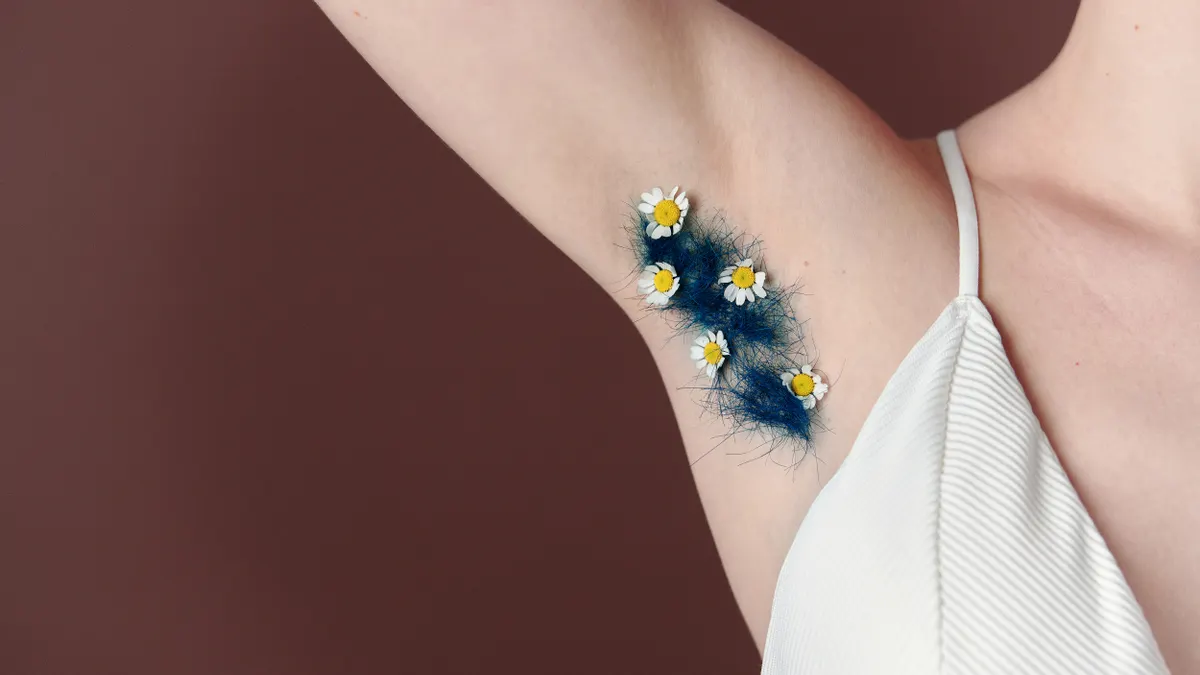
Dark underarms usually mean the skin has been stressed repeatedly, which leads to extra pigment or a thicker-looking patch of skin. That is why hyperpigmentation can show up after shaving, rubbing, or a product that stings every time you apply it. (Source: AAD)
Not every dark underarm looks the same. Some skin turns a brown-gray shade after months of mild irritation. Some looks red first, then darker later as the inflammation settles. Some people notice darker patches with a slightly rough texture. That pattern matters because it points toward irritation-related change, not just natural variation in skin tone. The same pattern can also show up in natural deodorant and dark underarms when the formula keeps irritating the skin. NHS
There are other causes too, and this is where people go wrong. If darkening appears suddenly, spreads beyond the underarm, or comes with velvety thickening, consult a professional instead of treating it as a deodorant issue alone. Underarm discoloration can also happen with friction from tight sleeves, repeated shaving, or a rash that keeps coming back. A product swap will not fix those on its own. (Source: AAD)
The practical takeaway is simple: if the darkness started after a switch to natural deodorant, treat it as a clue and, if needed, consult a professional. It may be the formula, but it may also be the way the skin is being handled every day. A patch of skin that gets rubbed, shaved, and scented twice daily has a different problem than skin that is only darker in color.
Can deodorant cause dark underarms?
Yes, deodorant can contribute to dark underarms when it causes irritation over time. The underarm is a high-friction area with thin, sensitive skin, so a formula that seems harmless on paper can still leave the skin irritated enough to darken. For natural deodorant and dark underarms, the link is often irritation rather than stain. (Source: AAD)
The usual suspects are not mysterious. Baking soda is one of the most common triggers in natural deodorant because it can be too alkaline for some people’s underarms. When the skin barrier is repeatedly irritated, the area may sting, itch, peel, or seem fine at first and then darken later. Fragrance can do the same thing, especially on skin that is already sensitized by shaving or rubbing. NHS
That does not mean every deodorant will darken every underarm. Some people use a natural formula for years with no trouble. The issue is the combination of ingredients, skin sensitivity, and how often the product is applied. A deodorant used once after a shower is different from one reapplied several times a day on freshly shaved skin.
One common mistake is assuming that “natural” means gentle. It does not. A product can be plant-based and still be harsh if it includes a strong fragrance or a high amount of baking soda. Another mistake is waiting until the skin is visibly darker before changing course. By then, irritation has usually been going on for weeks or months.
If a deodorant stings, burns, or leaves the underarm pink for more than a few minutes, treat that as a warning sign and consult a professional if it keeps happening. The goal is not to tolerate the product; the goal is to stop the skin from cycling through irritation and healing. (Source: AAD)
Baking soda and fragrance: the ingredients most likely to irritate underarm skin
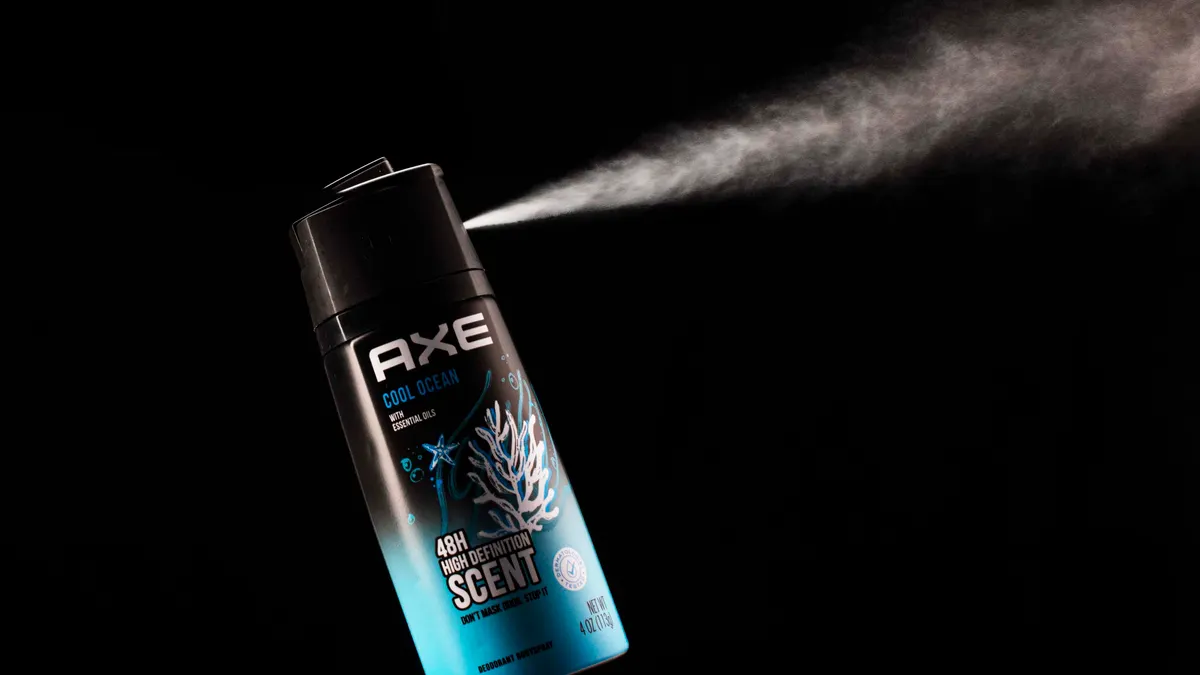
Baking soda and fragrance are the two ingredients most often tied to irritation-related darkening in natural deodorant. That does not make them universally bad, but it does make them the first things to suspect when underarms get darker.
Baking soda, or sodium bicarbonate, helps many natural deodorants control odor, but it can also disrupt the skin barrier for some people. Underarm skin is not built like palm skin. It folds, sweats, rubs, and gets shaved. A formula that feels dry and effective can still be too aggressive there. If the area becomes itchy, red, or rough after use, the skin may be telling you the formula is too alkaline for daily wear.
Fragrance is another frequent irritant. “Fragrance” on a label can cover many scent compounds, and sensitive skin does not care whether the smell is lavender, citrus, or sandalwood. If a product is meant for a delicate area, fragrance is often a trade-off, not an upgrade. A lightly scented product may still cause trouble if the scent compounds are concentrated.
The cost of ignoring these triggers is predictable: more inflammation, more scratching, and more visible darkening over time. The better move is to stop the cycle early. If a product burns, switch promptly rather than “testing” it for another month. A 2-week trial is long enough to spot repeated irritation in most people.
For readers comparing formulas, the broader guide to natural deodorant ingredients and skin safety is the right next stop. This page stays focused on what those ingredients can do to underarm color, not on every ingredient worth avoiding.
How shaving and friction can make discoloration worse
Shaving and friction can make underarm discoloration worse even when the deodorant itself is not the only trigger. The underarm gets dark faster when the skin is rubbed, nicked, or inflamed again before it has time to settle.
Shaving creates tiny cuts and surface irritation, especially if the blade is dull or the skin is shaved dry. Even a careful shave can leave the area more reactive for 24 to 48 hours. Put a fragranced or baking-soda-heavy deodorant on right after that, and the skin gets a second hit. That is why many people think the deodorant caused everything when the real issue is the shave-deodorant combination.
Friction matters too. Tight synthetic tops, seam rubbing, backpack straps, and repetitive arm movement can all keep the area inflamed. If the skin is already sensitive, even a soft shirt can become a problem when it traps sweat and heat. The result is not just discomfort. Repeated rubbing can lead to thicker-looking, darker skin.
This is where many people waste time. They keep changing deodorants while leaving the friction intact. A gentler product helps, but it will not outwork a tight sleeve and a harsh shave routine. If your underarms are darker on both sides and feel rough, look at clothing, shaving, and sweating patterns before blaming the formula alone.
A useful rule: if the underarm skin is dark and tender, give it a few days with less shaving, less rubbing, and a simpler product. If the skin calms down, that points to irritation rather than a permanent color change.
What to do if your natural deodorant seems to be darkening your underarms
Stop the trigger, calm the skin, and give it 2 to 4 weeks before judging whether the color is changing for the better. That sequence matters because darkening often improves only after the irritation stops.
The practical approach is simple:
- Pause the current deodorant for at least 7 days if it burns, itches, or leaves a rash. The expected result is less stinging within a few days if the product was the trigger.
- Wash the area with a mild, unscented cleanser once daily, then pat it dry. The goal is clean skin without extra rubbing.
- Avoid shaving the underarms for 3 to 5 days if possible, or shave less often while the skin settles. Less blade contact means less inflammation.
- Wear looser tops, especially in hot weather or during exercise. Reducing friction helps the skin stop darkening from repeated rubbing.
- When you restart deodorant, choose a simpler formula with no added fragrance and watch the skin for 1 to 2 weeks. The expected result is a clearer read on whether the formula is safe for your skin.
- If the area keeps getting darker or stays rough, get a dermatologist’s opinion rather than cycling through more products. Persistent change can mean the problem is not just deodorant.
Do not scrub the area to “remove” the darkness. Scrubbing can worsen the very irritation that caused the discoloration. Avoid home acid experiments too. The underarm is not a place for guesswork when the skin is already reactive.
If the product contains baking soda and the skin is sensitive, switching to a gentler option can help, but the fix is not always instant. Color change lags behind irritation. Skin may feel better before it looks better.
When dark underarms need a dermatologist
Dark underarms need a dermatologist when the color change is persistent, spreading, or paired with texture change, pain, itching, or a rash. That is the point where the problem may be more than deodorant-related irritation.
Get checked sooner if the underarm becomes thick, velvety, very itchy, cracked, or inflamed in repeated cycles. A dermatologist can tell the difference between post-inflammatory hyperpigmentation, contact dermatitis, and other causes that look similar to the naked eye. That distinction matters because each one has a different fix.
A simple deodorant switch may be enough when the only issue is mild irritation. It is not enough when the skin keeps reacting even after 2 or 3 product changes, or when the darkness appears on other areas too. In those cases, the underarm may be a clue rather than the whole story.
This is also the point where people should stop chasing one ingredient list after another. Darkening that keeps worsening deserves an actual diagnosis, not another guess. A clinician may recommend a treatment for irritation, a plan for post-inflammatory pigmentation, or a different product category altogether.
The sensible position is plain: natural deodorant is not wrong by default, but it is wrong for any skin that reacts to it. If the underarm is darker because the skin is inflamed, calming the inflammation comes first. If the skin is dark for another reason, you need that reason identified before you can fix it well.
The bottom line for choosing natural deodorant without worsening discoloration
The best natural deodorant for dark underarms is the one that does not irritate your skin. That means less focus on the word “natural” and more focus on whether your underarm skin stays calm for at least 1 to 2 weeks. For natural deodorant and dark underarms, consistency matters more than marketing.
Start by thinking in terms of cause. If the darkness followed burning, itching, or repeated redness, irritation is the likely driver. If you also shave often or wear tight clothing, those factors may be feeding the same problem. Baking soda and fragrance are common places to look first, but they are not the only ones.
A product can smell clean, feel dry, and still be too harsh for sensitive underarms. A gentler formula may be more boring, but boring is often better for skin that is already darkening. That is especially true if the area is recovering from weeks of friction or shaving.
The wrong choice here is any formula that keeps the skin in a cycle of sting, heal, sting again. The right choice is the one that lets the underarm stay comfortable long enough for color to even out. If the skin does not improve after a few weeks, the deodorant may not be the main issue anymore.
Can deodorant cause dark underarms?
Yes, if it irritates the skin enough, deodorant can contribute to underarm darkening. The more the skin gets inflamed, the more likely it is to heal with a darker tone. Baking soda, fragrance, and repeated use on freshly shaved skin are common ways this starts. In natural deodorant and dark underarms, irritation is often the link. (Source: AAD)
Does baking soda darken underarms?
Baking soda can contribute to darkening when it irritates the underarm skin. It is not guaranteed to cause a problem, but some people react to it quickly with burning, itching, or redness that later turns into discoloration. If that pattern shows up, the formula is probably too harsh for that person.
How do you prevent underarm discoloration?
Prevent underarm discoloration by reducing irritation before it starts. Use a gentler deodorant, limit shaving on irritated skin, and cut down on friction from tight clothing. If the skin feels itchy or burns after application, stop using the product and let the area settle before trying something else.
Drafted with AI; not yet reviewed by a person.