Last updated: October 21, 2026
Quick answer: in most cases, 2 to 4 light swipes per underarm on fully dry skin is enough for natural deodorant. Applied to clean, dry underarms, natural deodorant usually works best in a thin, even layer, and morning is the easiest time for most people. Put plainly, how to apply natural deodorant for best results comes down to timing, amount, and formula: stick deodorant, cream deodorant, and roll-on deodorant each call for a slightly different touch, and the wrong amount can leave residue on skin or clothes without helping odor control.
Key Takeaways
- Clean, dry underarms and the right amount of product matter most.
- Use a thin layer, then let natural deodorant set before dressing.
- Start small; most people need less than they think.
- Morning application is usually simplest, unless the formula is designed for overnight use.
What you need before applying natural deodorant
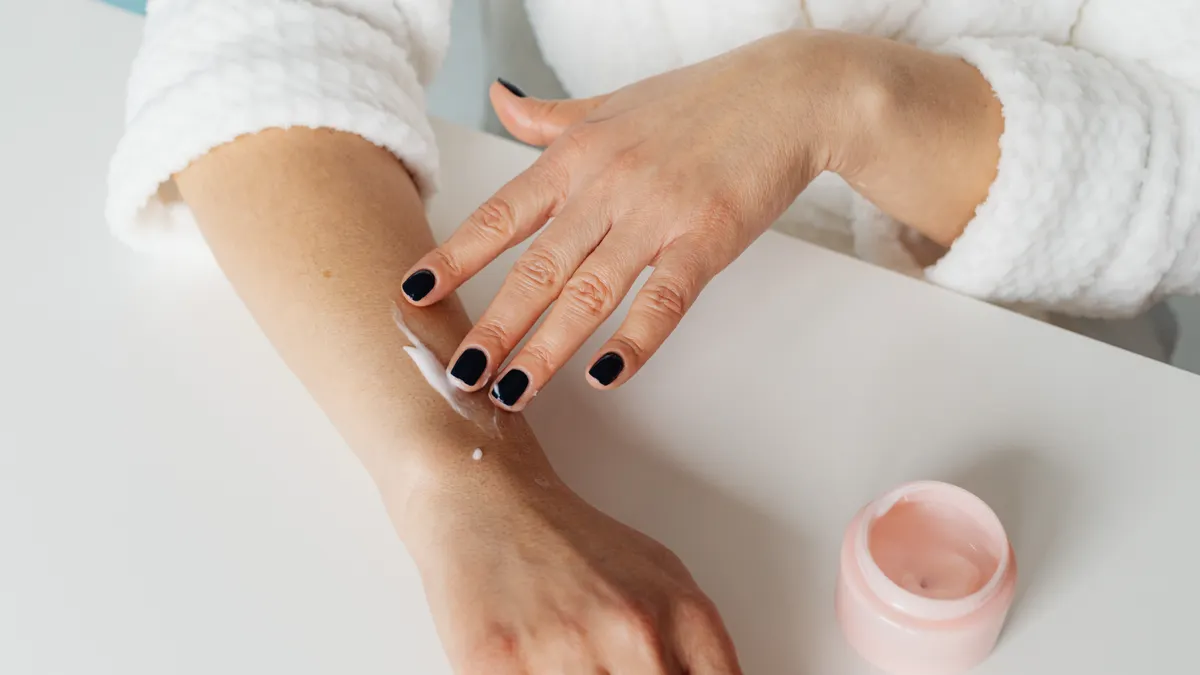
Clean underarms, dry skin, and the right amount of product come first. Natural deodorant is not something you pile on; it works as an odor-management layer, so sweat, lotion, and damp skin get in the way fast.
Start with a shower or at least a washcloth and mild soap. Pat the underarm area fully dry with a towel, then give it another 30 to 60 seconds if the skin still feels cool or tacky. Why? Waxes, oils, and powders grab better on dry skin than on moisture.
Keep one product in hand. Not a whole lineup. If you switch between a stick deodorant, cream deodorant, and roll-on deodorant, store the containers separately so you do not contaminate the formula with damp fingers or water. A clean fingertip, a pea-sized amount, or a few swipes is enough for most people; beyond that, you usually just leave a film on the skin.
Want the broader picture on product types and transition timing? The hub on natural deodorant use and transition is the better place to start. This page stays focused on application technique, so the advice stays practical. For ingredient and safety context, see the American Academy of Dermatology and NHS guidance on body odour.
How to apply natural deodorant step by step
Apply natural deodorant in a thin layer to dry underarms, then let it set for a minute before dressing. Even coverage is the goal, not a visible coating.
- Wash or wipe your underarms, then dry them fully. Clean skin gives the deodorant a fair surface to stick to, and dry skin keeps the product from sliding around. If your towel still feels damp after drying, wait another minute.
- Use the right amount for the format. For a stick deodorant, use 2 to 4 light swipes per underarm. For a cream deodorant, use about a pea-sized amount per side. For a roll-on deodorant, apply one smooth pass and, if needed, a second after the first looks evenly wet. If the area looks opaque or caked, you have used too much.
- Spread the product over the full underarm area. Cover the center of the pit and the surrounding area where hair grows. That usually means the deodorant should reach from the fold closest to the chest to the outer curve of the arm. Even coverage works better than a small spot in the middle.
- Let it dry or settle before putting on clothes. Wait about 30 to 60 seconds for a stick or cream, and closer to 1 to 2 minutes for a roll-on. You want the skin to feel less slippery and the shirt to go on without dragging product across the fabric.
- Check the shirt collar and armholes after dressing. If you see white streaks, greasy marks, or wet patches, you used too much or dressed too quickly. Next time, cut the amount in half and wait longer before clothing contact.
The main mistake is treating natural deodorant like an antiperspirant. Natural formulas do not need a heavy coat to work, and piling them on tends to create buildup instead of better odor control. If the underarm still feels slick 5 minutes later, the layer is too thick. Unsure whether odor or irritation is the real issue? Ask a dermatologist or other qualified professional.
How much natural deodorant should you use?
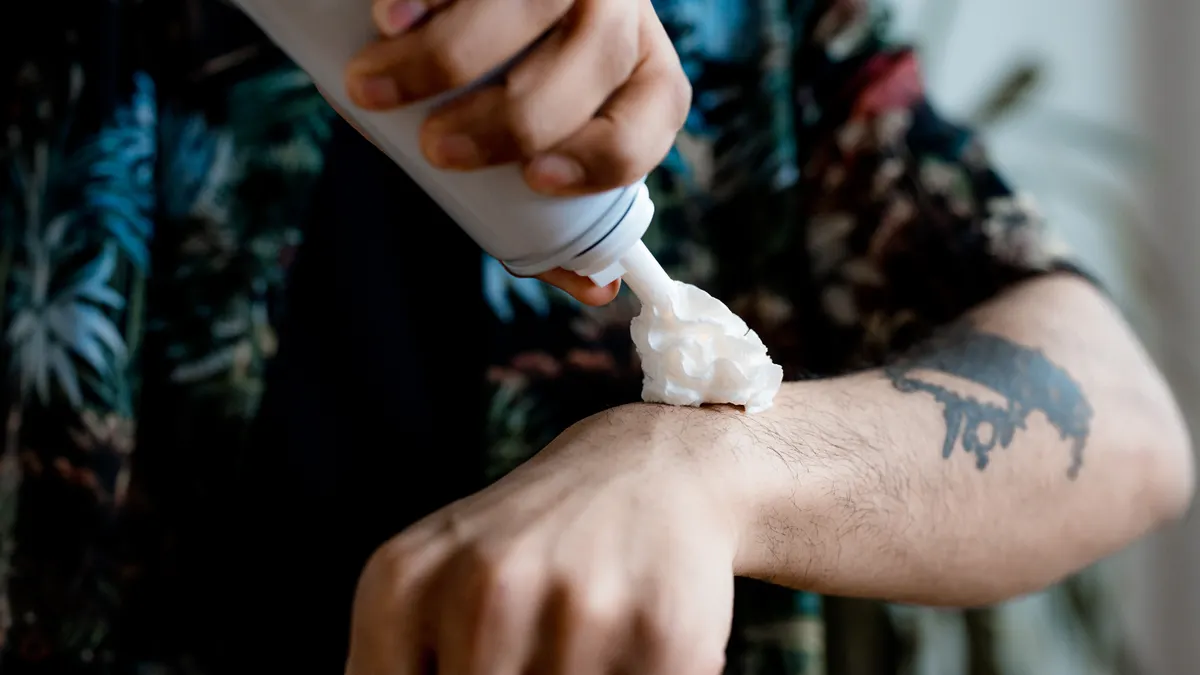
Use the smallest amount that gives full underarm coverage, which is usually less than people expect. For a stick, 2 to 4 swipes per side is a useful starting point. For cream deodorant, a pea-sized dab per underarm is usually enough. For roll-on deodorant, one even pass often covers the area.
The point is not saturation. It is a light, even coating on the surface. If you can feel a thick film, you are probably wasting product and increasing the chance of residue on dark T-shirts, fitted sleeves, or sports fabric.
Formula texture changes the dose. A firm stick can look generous after only 2 swipes because the waxes sit visibly on the skin. A cream may look small in the jar but spread farther once warmed by your fingertip. A roll-on comes out wet, so the temptation is to keep going until the skin looks glossy; that usually means overapplying.
Here’s a practical standard: after application, your underarms should look lightly coated, not pasted. If you press a finger gently against the area and it comes away with a thick layer, reduce the amount by about half on the next use. If odor shows up early, increase in small steps, not by doubling the application all at once.
And this is where format choice matters. People often blame the formula when the real issue is quantity. A cream deodorant can feel “stronger” because it is easy to overuse. A roll-on deodorant can feel “weaker” if it is not given time to dry. Usually, the culprit is technique, not a new product. If symptoms suggest a skin issue rather than a technique issue, consult a dermatologist or other qualified professional.
Morning application or nighttime?
Morning application is the default for natural deodorant, and nighttime use only helps if the product is meant to sit undisturbed on dry skin. Most people want deodorant to work when they are active, dressed, and out of the shower, so a morning routine is the cleanest match.
Apply after your shower and before clothing contact. That timing matters because the skin is clean, the underarm hair is not coated with sweat, and the product has a few quiet minutes to settle. With a roll-on deodorant, give it more drying time than a stick or cream because the liquid base needs to evaporate before it rubs off.
Night application is not automatically better, and it can be the wrong choice if you shower in the morning or sweat at night. Natural deodorant does not need to be “worked in” for hours. What it needs is dry skin and enough time to set. A 30- to 60-second wait can be enough for a light formula; a wetter formula may need 1 to 2 minutes.
One honest trade-off: morning application is easier to judge, but it can fail if you rush. Dress immediately after applying, and the deodorant ends up on fabric instead of skin. If that keeps happening, move application earlier in your routine rather than switching products first.
For many people, the best schedule is simple: shower, dry, apply, wait, dress. That routine solves more problems than adding extra coats later in the day.
How to reapply without making a mess
Reapply only after you clean and dry the underarm, then use a lighter layer than the first application. Reapplying on top of sweat can create clumping, odor-trapping residue, and shirt marks.
Need a midday refresh? Wipe the area first with a damp cloth or a tissue, then dry it fully. A quick bathroom sink rinse works too, but do not put deodorant over moisture. Once the skin is dry, use about half the amount you used in the morning. For a stick, that may mean 1 to 2 light swipes. For cream deodorant, a smaller pea-sized amount is enough. For roll-on deodorant, one brief pass is usually enough.
Reapplication helps most after a long workday, a commute, or a workout when odor—not just dampness—has become noticeable. It is less useful if your underarms are already wet and sticky. In that case, wash or wipe first. Otherwise, the fresh layer mixes with the old one and the result is dull, pasty buildup.
Clothing contact matters even more during reapplication because there is less patience for drying later in the day. If you are refreshing before a meeting or dinner, choose the least messy format you own. A stick usually gives the cleanest controlled layer. Cream deodorant can work well if you use a tiny amount. Roll-on deodorant is the messiest if you are in a hurry because it stays wet longer.
If odor keeps returning in a few hours despite careful reapplication, the issue may not be application at all. It may be the product, the formula, or how your skin reacts to the ingredients. That is a product-choice problem, not a technique problem.
How does the application change for stick, cream, and roll-on deodorant?
The change is mainly in pressure, amount, and drying time, not in the basic goal. All three should leave a thin, even layer on clean, dry skin.
A stick deodorant is the easiest to control. Hold it lightly, then use short swipes rather than long scrubbing passes. Two to 4 swipes per underarm is a practical range to start with. Too much pressure can drag the product off course and leave visible streaks on skin and shirt seams. Stick formulas are often the fastest option for people who want less hand contact, but they are not automatically the right choice for everyone.
Cream deodorant gives the most control over placement, but it is the messiest to handle. Warm a pea-sized amount between fingers, then spread it evenly across the underarm. If you use too much, it can sit in the hair and crease of the pit instead of the skin surface. Cream is a poor fit for anyone who dislikes finger application or wants to dress immediately.
Roll-on deodorant goes on wet and usually needs the longest dry-down. One smooth pass is often enough, with a second only if the first did not cover the full area. The drawback is clothing transfer: if you pull on a shirt too soon, the product can smear onto fabric or rub off before it sets. Roll-on is not ideal for anyone in a rush.
Format is not just a preference issue. It changes the errors you are most likely to make. With a stick, the mistake is over-swirling. With cream, it is using too much with your fingers. With roll-on, it is not waiting long enough before dressing. Pick the one that matches your routine, not the one that looks strongest in the package.
Mistakes that make natural deodorant seem ineffective
The biggest mistake is applying it to damp skin, because moisture shortens how long the layer stays in place and makes the formula slide into clothing. The fix is boring but effective: dry thoroughly, then apply.
A second mistake is covering the underarm with too much product. More is not better here. Heavy application can lead to buildup, white residue, and a tacky feel that turns into fabric transfer. If that happens, reduce the dose by a third to a half and wait longer before dressing.
A third mistake is expecting one application pattern to work for every format. A stick deodorant needs swipes; a cream deodorant needs spreading; a roll-on deodorant needs drying time. Treat them the same, and you may blame the formula when the real issue is technique.
A fourth mistake is applying over old residue day after day. That can make the underarm feel coated and uneven, especially with waxy natural formulas. The fix is to wash the area fully, then start fresh. If buildup is already there, a warm washcloth can help clear it before the next application.
One more honest limitation: natural deodorant is not the right tool for someone expecting complete sweat blocking. It manages odor, not perspiration itself. If the main goal is a dry shirt at all costs, this category may disappoint no matter how carefully it is applied.
For more context on ingredient types and how the category fits into a broader routine, the hub on natural deodorant use and transition is the right companion page. This article is only about getting the application right. For irritation or persistent odor concerns, the American Academy of Dermatology is a useful reference.
How much natural deodorant should you use?
Use the smallest amount that covers the underarm evenly. For a stick, 2 to 4 light swipes per side is a solid starting point; for a cream deodorant, use about a pea-sized amount per side; for a roll-on deodorant, one even pass is often enough. If your skin looks coated or shiny, you have likely used too much.
Do you put on deodorant at night or morning?
Morning is usually the better time for natural deodorant. Apply after showering and drying your underarms, then wait a short time before dressing. Night application can work if the skin is clean and dry, but it is not required for most routines and can be awkward if you shower again in the morning.
Should underarms be dry before applying deodorant?
Yes, underarms should be dry before applying deodorant. Moisture makes the product slip, clump, and transfer to clothing. Pat the area dry after washing, then wait 30 to 60 seconds if it still feels damp. Roll-on formulas may need 1 to 2 minutes before you get dressed.
Drafted with AI; not yet reviewed by a person.