Last updated: October 26, 2026
Quick Answer: most people need 1–3 weeks to see whether the switch works, and the cleanest test is one product, thin application, and steady habits.
Switching to natural deodorant means changing both the product and the routine you use on your underarm skin. This guide to how to switch to natural deodorant starts with easing out of antiperspirant, giving your skin a few days to settle, and keeping odor control realistic while your body adjusts.
Key takeaways
- Start with clean underarms and a product you can tolerate daily, not a “perfect” one you won’t use twice.
- Expect the first 1–3 weeks to feel different; consistency matters more than chasing a miracle formula.
- Use less product than you think, then reapply only when odor starts to return.
- Sweat and smell are not the same problem, so judge the switch by odor control, not by whether you stay dry.
- If your skin burns, itches, or stays irritated, pause the routine and consult a professional; the AAD advises stopping irritating products and getting medical advice when a rash persists.
What switching actually means for your underarm skin
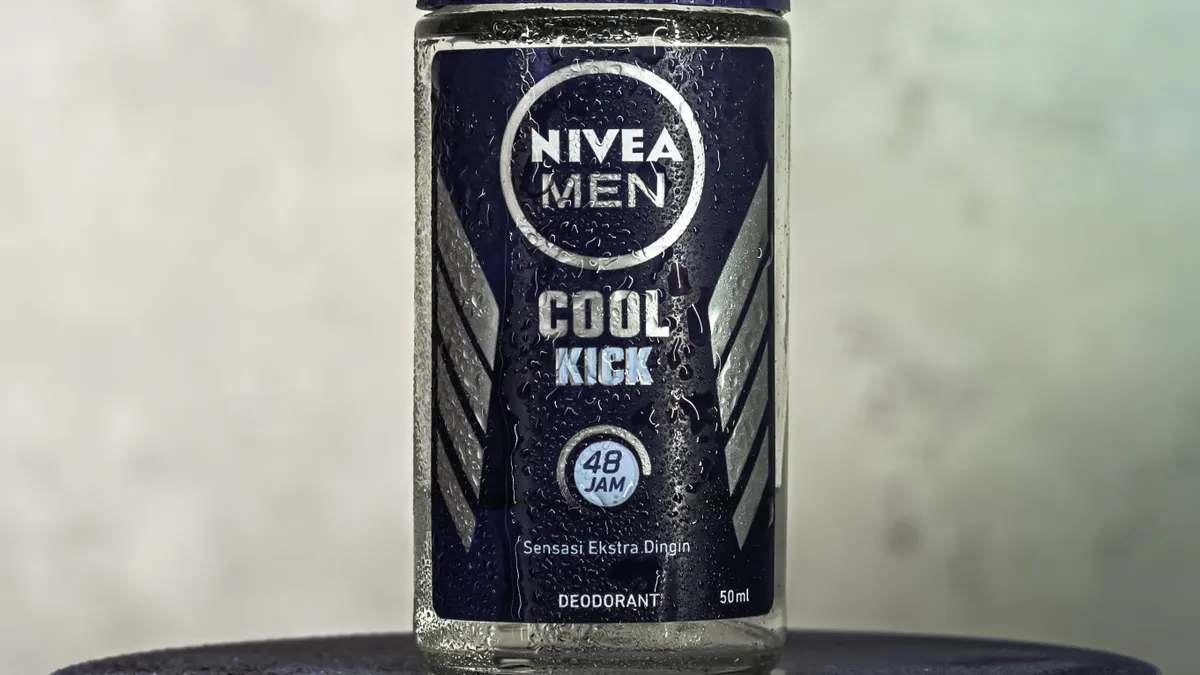
Switching to natural deodorant means replacing an antiperspirant with a deodorant that focuses on odor, not sweat. Antiperspirants use aluminum salts to reduce wetness; natural deodorant usually skips that and tries to manage smell with fragrance, absorbent powders, or other odor-fighting ingredients. That distinction matters because the goal changes the whole routine.
The main thing to expect is a transition period. Underarm skin can react to a new formula, a different pH, more moisture, more friction from clothing, or simply the fact that you are now noticing body odor that antiperspirant used to mask. A rough adjustment period of several days to a few weeks is common, but it is not a guarantee and it is not a medical diagnosis.
This is not the right switch if your main goal is staying dry for long stretches, such as through a 12-hour commute, a long shift in a hot kitchen, or a workout-heavy day where wetness is the bigger problem than odor. Natural deodorant can work well for odor control, but it may not replace the dry feeling you got from antiperspirant.
A useful way to think about the change is this: natural deodorant is a hygiene tool, not a sweat stopper. Once that expectation is clear, the rest of the process becomes easier to judge honestly.
How do I switch to natural deodorant?
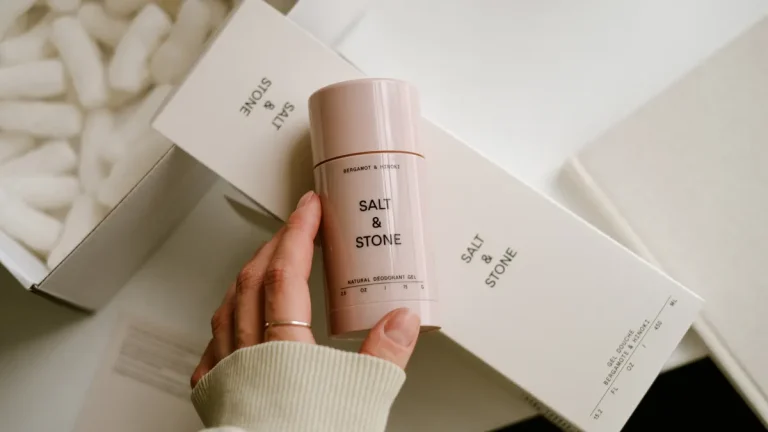
You switch to natural deodorant by phasing out your old antiperspirant, keeping the underarm area clean and dry, and giving one formula enough time to show whether it works for your body. Start with the product you already own or a single stick you can use for at least 2 weeks.
-
Stop mixing products on the same day. Pick one start date and use either antiperspirant or natural deodorant that day, not both layered together. The result to expect is a cleaner read on what is actually causing odor or irritation.
-
Use antiperspirant less often for 3–7 days before the switch if you want a gentler handoff. If your skin is sensitive, alternate days or use the old product only at night for a short stretch. The goal is to avoid throwing your underarm skin into a sudden routine change.
-
Wash, rinse well, and dry the underarm area fully before applying anything. A clean towel and 1 minute of air-drying make a difference because damp skin can dilute product and create drag. The skin should feel dry to the touch, not tacky.
-
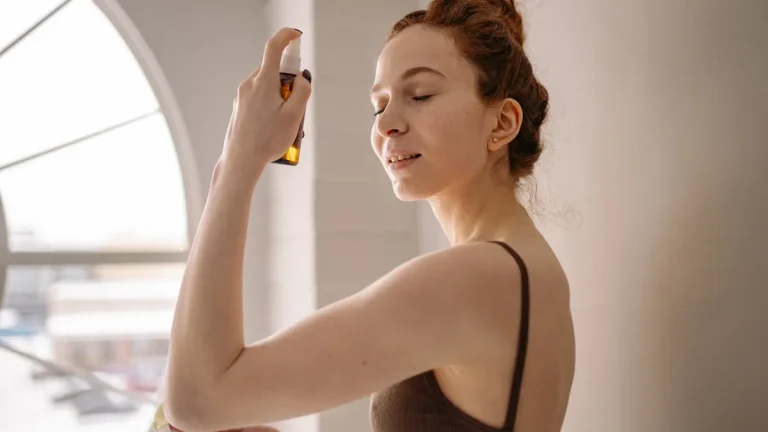
Apply a thin layer of natural deodorant once in the morning. One or two swipes is usually enough for a standard stick. The result you want is light coverage, not a thick visible film that pills, clumps, or transfers to clothing.
-
Check odor after a normal day, not after a panic re-swipe. Judge the product at the 6–10 hour mark under your usual routine. If odor starts to show up earlier, note the time rather than scrubbing and starting over.
-
Adjust the timing before you change the product. Many people do better applying at night and again in the morning, especially during the first 1–2 weeks. The point is to build a pattern your skin can handle consistently.
-
Change only one variable at a time for at least 2 weeks. Keep your shower schedule, laundry detergent, and shaving routine steady if you can. If the deodorant fails, you need to know whether the formula failed or the rest of the routine moved around too.
If you rush this process, you usually end up with a stale shirt, irritated skin, and no clear answer. Slow, boring consistency is what gives you useful information.
What should I expect in the transition period?
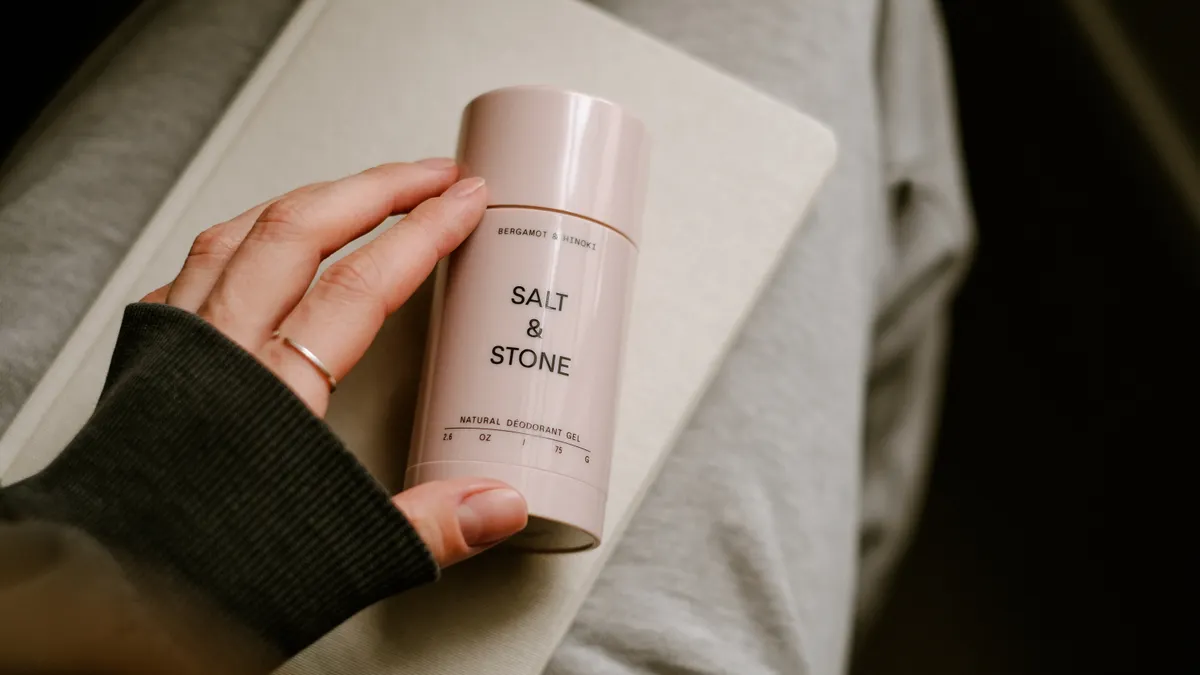
You should expect odor to be the first thing you notice, not necessarily sweat. That is normal when you move off antiperspirant, because the new routine is asking your skin and clothes to handle moisture and odor differently.
The transition period often feels messy because the feedback is delayed. You may feel fine in the morning and smell off by late afternoon, or you may get through one day cleanly and then catch a whiff the next day after a longer commute. That does not automatically mean the product is wrong. It may mean the timing is wrong, or the amount is wrong, or you need a different reapplication pattern.
Three practical changes help most:
- Keep underarms dry after showering. A few extra seconds with a towel reduces product slip.
- Wear breathable shirts for the first 1–2 weeks. Cotton, linen, and lighter blends are easier to read than heavy synthetics that trap scent.
- Treat laundry as part of the test, and if lingering odor in clothing keeps showing up, consult a laundry or skin professional. Old odor in shirt seams can make a new deodorant seem like a failure even when it is not.
A common mistake is expecting the same “dry all day” result that antiperspirant gave. That comparison is unfair to natural deodorant. A better benchmark is this: does odor stay manageable through a normal day, and does your skin stay calm? If yes, the switch is working.
This is also where people overreact to one bad day. A hot gym session, a stressful meeting, or a rainy commute can create a false alarm. Give the routine at least several ordinary days before you decide the change is a bust.
How much natural deodorant should I use, and when should I reapply?
You should use a thin layer once in the morning, then reapply only when odor returns or after a sweat-heavy block of the day. Using too much can make a decent product feel sticky.
A standard stick usually needs 1–2 swipes per underarm. More than that often leaves residue in shirt fibers and can make some formulas pill on the skin. If the deodorant is a cream, use a pea-sized amount per side and spread it evenly. If it is a balm or paste, follow the package directions closely and resist the urge to coat the area.
Reapplication timing depends on your schedule. A desk day may need only one morning application. A day with a 45-minute walk, a crowded train, or a midafternoon workout may need a second application before the odor shows up. The goal is to stay ahead of smell, not to wait until you already notice it.
Here is the part most generic advice misses: reapplying on top of stale sweat usually does not help much. If you can, wash or at least wipe the underarm area first, then reapply to dry skin. A damp paper towel, fragrance-free wipe, or a quick sink rinse can reset the surface enough for the product to do its job.
If your shirt regularly smells by lunch, the issue may be your timing rather than the deodorant itself. Try moving the first application to after your shower at night, then again in the morning. Many people get better odor control from two light applications than from one heavy one.
What mistakes make the switch fail?
The switch usually fails because people change too many things at once or judge the result too quickly. A product is not always the problem.
The biggest mistake is using natural deodorant as if it were antiperspirant. If you expect zero wetness and 24-hour coverage, you will probably be disappointed. Natural deodorant often needs a different rhythm, especially during warm weather, travel, or exercise.
Another common mistake is applying too much. A thick layer can feel safer, but it often increases residue and makes shirts trap odor faster. If you see white streaks, clumps, or tacky buildup after 10 minutes, the dose is too heavy.
Skipping the underarm reset is another problem. Old sweat and old deodorant can stack up on skin and clothing. A quick wash, dry, and reapply routine works better than simply adding more product over the top. Laundry matters too: if a shirt holds onto odor, it will keep feeding that bad impression no matter what you apply.
People also quit after 2 or 3 bad days. That is too fast for a fair read. A more useful test is 10–14 days with the same product and the same application pattern. If you still smell bad by the end of that window, it may be time to try a different formula or accept that natural deodorant is not a good fit for your body.
One more honest limitation: some underarm skin just does not like certain natural formulas. If a stick burns, stings, or leaves a rash, stop using it and consult a clinician or dermatologist. A product that irritates skin is not “working through a transition”; it is bothering the skin.
How do I keep odor under control without giving up on the switch?
You keep odor under control by managing sweat, fabric, and timing together, not by hunting for a perfect stick. Natural deodorant works best when the rest of the routine supports it.
Start with clothes. Loose sleeves and breathable fabrics reduce the trapped, humid environment that makes odor stronger. On high-sweat days, a clean undershirt can act as a buffer between skin and outer clothing. If you already know a synthetic shirt holds odor, do not use it as your test uniform for the first week.
Shower timing matters too. If mornings are rushed, apply deodorant after your evening shower and again in the morning. That gives the product time on clean skin, which is often easier than trying to start from a sweaty underarm at 7:30 a.m.
If odor shows up during the day, treat it like a maintenance problem rather than a failure, and if it persists or comes with irritation, ask a professional. Wipe, dry, and reapply. Carrying a travel-sized stick or a small cream container can save a long workday. The point is to make the routine usable at 2 p.m., not only at 7 a.m.
Consistency is the deciding factor. A natural deodorant routine that is used every day, adjusted in small steps, and matched to your activity level usually gives better results than a “better” formula that gets used randomly. If you keep changing products every 48 hours, you never learn what your skin actually needs.
For the reader who wants a simple rule: pick one product, use it the same way for 2 weeks, and change only one variable at a time. That is the clearest path to a clean answer.
Comparison table
| Type | Main job | Wetness control | Odor control | Typical feel | Best fit | Notes |
|---|---|---|---|---|---|---|
| Antiperspirant | Reduce sweat with aluminum salts | High | Moderate | Dryer underarms | People who want less wetness | Often the easier choice for long, hot days |
| Natural deodorant | Reduce odor without blocking sweat | Low | Moderate to high | Can feel lighter, but may need reapplication | People focused on odor control | Often needs a 1–3 week adjustment period |
How long does it take to adjust to natural deodorant?
It usually takes several days to a few weeks to settle into a new routine with natural deodorant. The exact timeline depends on how often you used antiperspirant before, how active you are, and how your underarm skin reacts. If your skin is still irritated or odor is getting worse after 2–3 weeks, the formula or routine may not be a good match.
Should you stop antiperspirant cold turkey?
You can stop antiperspirant cold turkey, but a gradual change is often easier on underarm skin and easier to judge. A 3–7 day handoff can make it clearer whether odor or irritation is coming from the new product, the lack of antiperspirant, or both. If you prefer to switch overnight, that is fine as long as you watch for skin irritation.
Why do I smell worse after switching?
You may smell worse after switching because the old antiperspirant was masking odor, because your new product is underapplied, or because sweat is sitting longer on skin and clothing. A bad first week does not always mean the deodorant failed. Try cleaner application, a second daily application, and better fabric choices before you decide the switch is not for you.
FAQ
What is the best time to apply natural deodorant?
Many people do well applying it after a shower at night and again in the morning, especially during the first 1–2 weeks.
Can you use natural deodorant every day?
Yes, if your skin tolerates it. If it causes burning, itching, or a rash, stop using it and seek professional advice.
Does natural deodorant stop sweat?
No. It is mainly for odor control, while antiperspirants are designed to reduce wetness.
How do I know if the product is working?
If odor stays manageable through a normal day and your skin stays calm, the routine is probably working.
Drafted with AI; not yet reviewed by a person.