Last updated: October 26, 2026
Key Takeaways
- Watch for redness, itching, burning, tenderness, swelling, hives, or a dry, bumpy rash.
- Wait 24 hours minimum; 48 hours is better for fragrance, essential oils, or many plant extracts.
- Test on calm, unshaved skin, because fresh shaving can sting even when the product is not the cause.
- Switch one variable at a time, starting with short use on one underarm.
A natural deodorant patch test helps you see how your underarm skin reacts before you put a new formula on both pits every day. This guide to how to do a patch test for natural deodorant covers the spot to use, how much product to apply, how long to wait, and what warning signs to watch for over 24 to 48 hours.
Start with the right kind of test spot
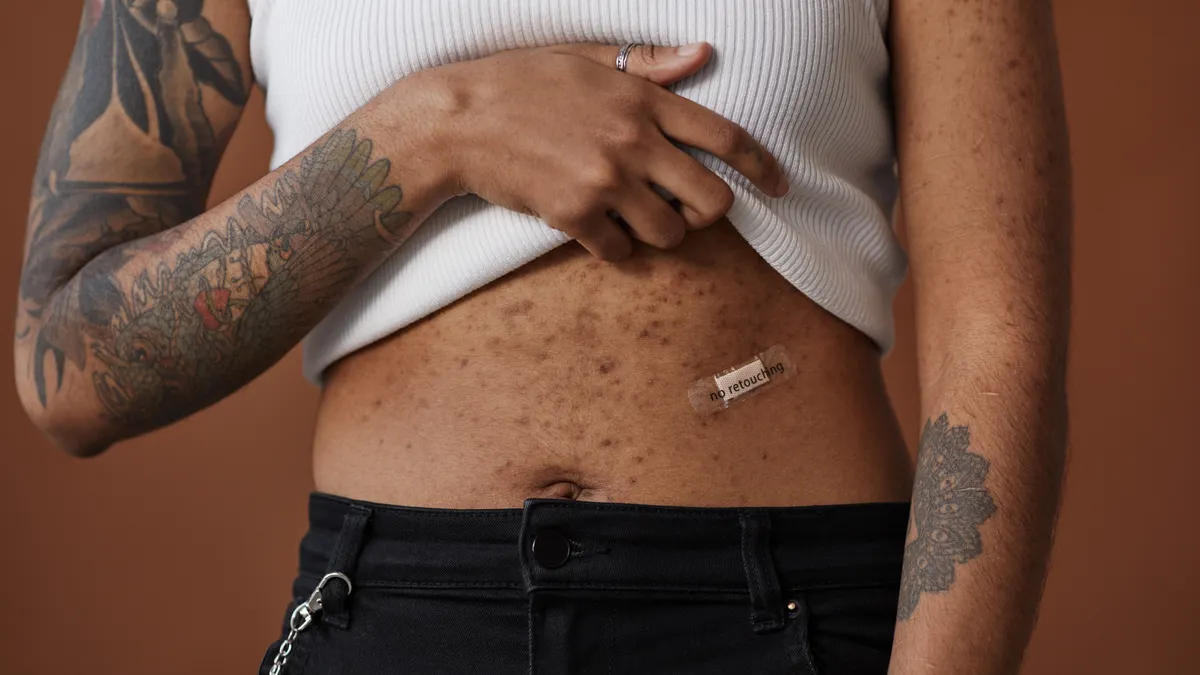
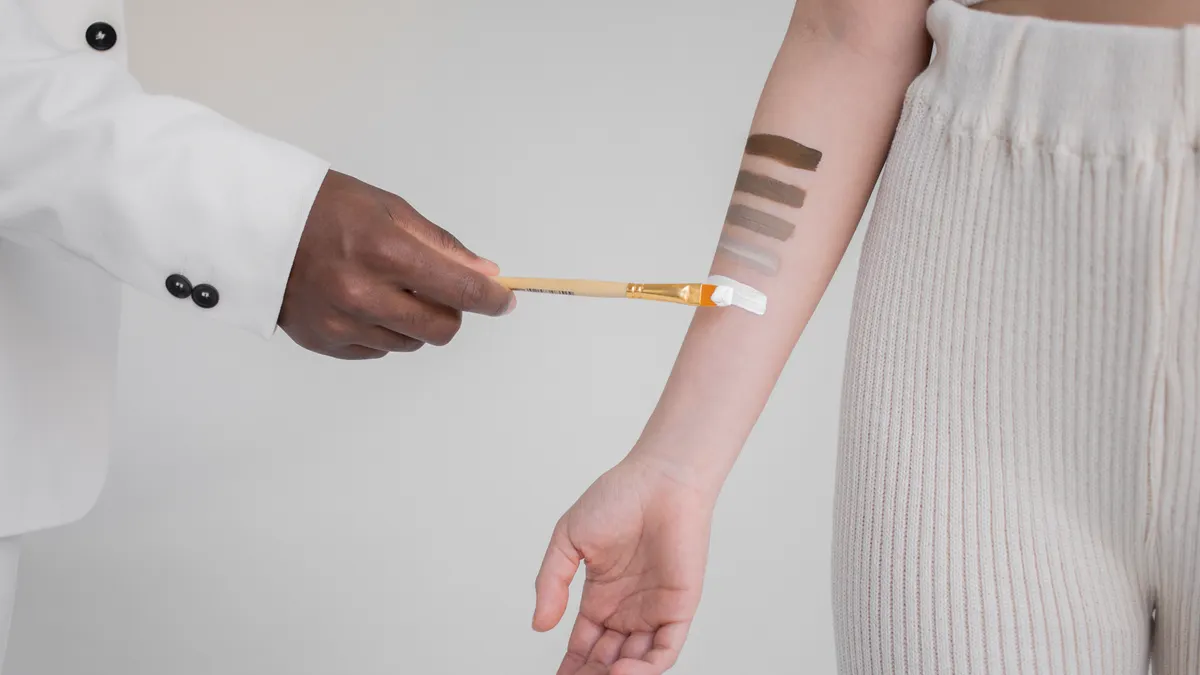
A patch test for natural deodorant is done on a small area of skin that is close enough to your underarm to be useful but not so large that you create a bigger reaction than you intended. The inner arm is the usual choice because it is easy to see and easy to wash, but a small patch near the edge of one underarm works too if you want a more relevant spot.
Use a clean area about the size of a postage stamp, roughly 2 by 2 inches or 5 by 5 cm. If the product contains fragrance or essential oils, keep the test area even smaller, since those ingredients are common irritation triggers. If you are trying a stick deodorant, roll or swipe once. If it is a cream, use a pea-sized amount, about 0.25 teaspoon or 1.25 mL.
This test is for a new deodorant formula, not for judging whether it controls odor over a long day. It answers a different question: does your skin tolerate the product at all? For ingredient context, see the hub page on natural deodorant ingredients and skin safety.
How do you patch test natural deodorant?
You patch test natural deodorant by applying a small amount to clean, dry skin, leaving it alone for 24 to 48 hours, and checking the area more than once for irritation. That is the basic method, and it works whether the product is a stick, cream, or balm.
-
Wash the test area with plain soap and water, then dry it fully.
Pick the inner arm or a small patch near one underarm. Dry skin gives a clearer read than damp skin, and it helps the deodorant sit where you put it. -
Apply a small, even layer of the deodorant.
Use a pea-sized amount for cream formulas or one light swipe for a stick. You want a thin film, not a thick blob that can smear onto clothing or rub into nearby skin. -
Leave the patch uncovered if you can.
Letting it stay bare makes it easier to spot redness, hives, or tiny bumps. If clothing keeps rubbing it, the friction can make a mild reaction look worse than it is. -
Wait at least 24 hours before washing it off.
If the product is meant to stay on skin, a full day gives you a fair first check. Many people wait 48 hours when the formula has fragrance, essential oils, or a long ingredient list. -
Check the spot at 1 hour, 24 hours, and again at 48 hours.
Early stinging can point to immediate irritation. Delayed redness or itch often shows up later, especially with fragranced products. A mirror helps if the spot is on the underarm. For a broader comparison of deodorant types, see natural deodorant vs antiperspirant. -
Wash the area off with mild soap if you notice trouble.
Rinse promptly if the skin burns, gets swollen, or starts to feel hot. If the area stays calm, the product is more likely to be tolerated, though it still may behave differently on both underarms during normal wear.
If you wear a patch test under a bandage, use a plain adhesive bandage, not an occlusive wrap that traps sweat. Trapped moisture can blur the result. According to the American Academy of Dermatology, a good test area should stay clean, dry, and left alone so you can judge the skin more accurately.
What signs mean the deodorant is bothering your skin?
The main warning signs are redness, itching, burning, tenderness, swelling, hives, and a rash that looks dry or bumpy. A tight, prickly feeling can count too, especially if it starts within the first few hours after application.
A mild reaction may show up as a pink patch that fades after washing. A stronger reaction can look like raised welts, cracked skin, or a rash that spreads beyond the test spot. If the skin hurts when you move your arm, that is a bad sign, not a normal adjustment period.
Fragrance and essential oils deserve special attention because they can cause both irritation and sensitivity. A formula can seem fine for a few minutes and then turn red later the same day. That delayed pattern is one reason a 48-hour check is more useful than a quick glance after 10 minutes. The U.S. Food and Drug Administration also notes that fragrance ingredients can trigger allergic contact dermatitis in some people.
Do not keep using the product “to see if it settles down” when the area is actively burning or swollen. A patch test is meant to prevent a full underarm flare, not to push through one. If the reaction is severe, persistent, or spreading, stop the product and consider speaking with a clinician or dermatologist, especially if you have a history of contact dermatitis or eczema. The National Eczema Association recommends stopping products that worsen symptoms and getting medical advice when rashes do not settle.
How long should you wait before deciding it is safe?
You should wait at least 24 hours, and 48 hours is a better read when the formula contains fragrance, essential oils, or multiple plant extracts. A quick check after 30 minutes tells you very little, because some reactions are delayed.
A calm 24-hour result is useful, but it is not a lifetime guarantee. Underarm skin is warm, occluded, and often shaved, so it can react more strongly in real use than it did on the inner arm. That is why the patch test is a screen, not a promise.
If the product passes the patch test, try it on one underarm first for a day or two before you commit both sides. That smaller rollout is a practical way to switch products safely. If you get no irritation on the test spot but your underarm stings once you apply it normally, stop and re-check the ingredient list against the hub page on natural deodorant ingredients and skin safety.
The slower you go, the more useful the result. One small test gives a better answer than a week of guessing. A short test period is also easier to repeat if you are comparing a few formulas, such as a baking soda-free cream versus a stick with added fragrance.
What people get wrong when patch testing deodorant
The biggest mistake is testing on sweaty, freshly shaved skin, which can sting even when the product is not the real problem. Shaving creates micro-cuts, and fresh deodorant on top can turn a simple test into a painful one. Wait at least a day after shaving if you can.
Another mistake is using too much product. A thick layer can occlude the skin and make irritation worse, especially with oil-heavy creams. Use a thin swipe or a pea-sized amount and stop there. More product does not give a clearer result.
A third mistake is checking too soon and calling it clear. Some contact reactions take several hours or appear the next day. If you only look once, you can miss delayed redness or itching.
People also test under clothing that rubs hard, then blame the deodorant for friction. A snug synthetic shirt can create heat and irritation on its own. For the test, wear a loose cotton top or leave the spot uncovered when possible.
Do not patch test several new body products at once. A new body lotion, body wash, and deodorant together make it impossible to tell which item caused the reaction. One new product at a time is slower, but it gives a clean answer. For more on choosing formulas, see how to choose a natural deodorant.
How to switch to a new deodorant without upsetting your skin
You switch more safely by giving your skin one new variable at a time and by starting with short use on one underarm. Use the patch test first, then apply the deodorant to one side for a full day before you move to both sides. That small step matters if your skin is easily irritated.
If the product passes, begin with a clean, dry underarm and a thin layer after washing. Reapply only as the label directs. Overapplication can leave residue in the crease of the underarm and make skin feel sticky or sore. If you shave, leave a buffer of at least 24 hours before the first normal use. For product-specific tips, the guide to natural deodorant ingredients and skin safety explains why some formulas feel stronger at first.
Pay attention to the first 3 days. That is often when irritation from fragrance, baking soda, or essential oils shows up as itching or stinging. If the deodorant works but leaves minor dryness, the issue may be friction or overuse rather than a true allergy. If it causes repeated burning, stop it.
A patch test is not meant to turn every product into a permanent yes. It is there to help you avoid a larger underarm flare and to show you early when a new deodorant formula is a poor match for your skin.
For a broader look at ingredient and skin-safety questions, the hub page on natural deodorant ingredients and skin safety belongs next in the reading path.
When a patch test is not enough
A patch test is not enough if you have a history of severe allergies, fast swelling, or reactions that spread beyond the test spot. In those cases, a small home test can miss a problem that needs medical guidance.
If the skin becomes blistered, very swollen, painful, or develops hives that move away from the patch area, stop using the product and seek professional advice. The same applies if you get repeated underarm rashes from several different deodorants, because that points to a broader sensitivity pattern that may need evaluation.
This is also not the right approach if you already know you react to fragrance, essential oils, or a specific plant extract. A patch test can confirm what you already suspect, but it should not be used to force a re-trial of an ingredient that has clearly caused trouble before.
A careful patch test is useful, but it does not replace common sense. If your skin is giving you a strong signal, trust it. The American Contact Dermatitis Society advises seeking evaluation when reactions are recurrent or hard to identify.
How long should I patch test deodorant?
A patch test for deodorant should run for at least 24 hours, and 48 hours is better when the formula contains fragrance or essential oils. Check the skin more than once, because some reactions are immediate while others show up the next day. If the area stays calm through that window, the product is more likely to be tolerated.
Where do you patch test deodorant?
The inner arm is the simplest place to patch test deodorant because it is easy to see and clean. A small area near one underarm also works if you want a test spot closer to the skin you will actually use. Keep the area small, about 2 by 2 inches or 5 by 5 cm, so the result is easy to read.
What does a deodorant allergy look like?
A deodorant allergy can look like redness, itching, swelling, hives, burning, or a rash with tiny bumps or dry patches. Some reactions stay inside the patch area, while others spread a little beyond it. If the skin blisters, hurts, or gets very swollen, stop using the product and get medical advice.
Drafted with AI; not yet reviewed by a person.