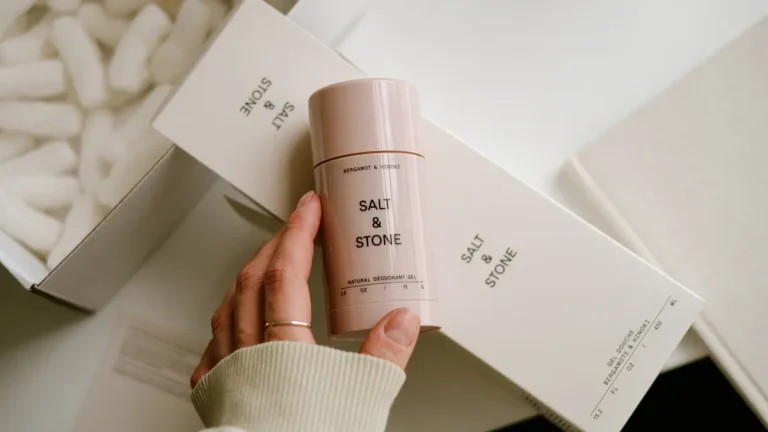
Remember that awkward moment in the gym when a wave of self-consciousness washed over you? We’ve all been there! Choosing the right deodorant is essential for staying confident and comfortable, and more people are turning to natural deodorant brands. This guide will help you explore the best options available. You’ll gain valuable insights into ingredient considerations, effectiveness, and find a natural deodorant brands perfect for your lifestyle. This post aims to provide you with all the information you need to make an informed decision and stay fresh all day, which will improve your Time on Page and reduce your Bounce Rate.
Key Takeaways
- Discover what to look for when selecting a natural deodorant.
- Learn about common ingredients to avoid and those to seek out.
- Compare the effectiveness of different natural formulas.
- Find recommendations for natural deodorant brands suitable for various needs.
- Understand how to transition to a natural deodorant.
- Explore tips to maximize the effectiveness of your natural deodorant.
Choosing the Best Natural Deodorant
The shift from conventional deodorants to natural deodorant brands is driven by a growing desire for healthier personal care choices. Conventional deodorants often contain aluminum, which clogs pores to prevent sweating. While this might seem appealing, it can interfere with the body’s natural detoxification process. People are looking for alternatives that allow their bodies to function naturally while still controlling odor. This section provides a framework for evaluating different options, ensuring you choose one that aligns with your health and environmental preferences.
Ingredients to Seek Out
When selecting a natural deodorant, it’s key to examine the ingredients list. Look for ingredients that effectively combat odor while also being gentle on your skin. Natural deodorants commonly incorporate ingredients with antibacterial properties to inhibit odor-causing bacteria. Look for ingredients like essential oils with antimicrobial qualities, such as tea tree oil or eucalyptus. Some brands use baking soda, known for its odor-absorbing abilities. Consider deodorants with ingredients that nourish and soothe skin, preventing irritation. Selecting products with natural, well-researched ingredients is essential for effectiveness and skin health.
- Essential Oils: Certain essential oils, like tea tree, lavender, and peppermint, offer antibacterial and antifungal properties. They not only fight odor-causing bacteria but also add a pleasant scent. Look for deodorants that use a blend of these oils for enhanced effectiveness and aroma.
- Baking Soda: Baking soda is a natural odor absorber. It helps neutralize smells caused by sweat. However, some people may experience sensitivity to it.
- Arrowroot Powder/Cornstarch: These ingredients absorb moisture, keeping your underarms dry. By absorbing moisture, they prevent the environment where bacteria thrive.
- Activated Charcoal: Known for its ability to absorb toxins, activated charcoal can help remove impurities and odors. It’s particularly useful in detoxifying underarms.
Essential oils, sourced from plants, have been used for centuries for their therapeutic benefits. In deodorants, these oils work by disrupting the cellular structure of bacteria, preventing them from multiplying and creating odor. The scent profiles of these oils also contribute to the overall experience. For example, lavender has calming effects, while peppermint provides an invigorating feel.
Baking soda works by altering the pH level of the skin, making it less hospitable to odor-causing bacteria. Although it’s effective for many, its alkaline nature can irritate sensitive skin, leading to redness or itching. If you have sensitive skin, consider a baking soda-free option or try a deodorant that contains baking soda and soothing ingredients to mitigate potential irritation.
Arrowroot powder and cornstarch act as gentle absorbents, soaking up sweat and keeping underarms dry. Unlike aluminum-based antiperspirants, these natural powders don’t block pores. This allows the body’s natural sweating process to continue while reducing the environment where bacteria multiply. The use of these natural powders is an effective way to balance dryness with breathability.
Activated charcoal is produced by heating carbon-rich materials at very high temperatures. This process increases its surface area, making it highly absorbent. In deodorants, it works by attracting and binding to odor-causing molecules, pulling them away from the skin. It also helps to eliminate toxins, making it a powerful ingredient in natural formulations.
Ingredients to Avoid
Knowing which ingredients to avoid is just as crucial as knowing what to seek out. Certain substances found in conventional deodorants can cause irritation, allergies, or have questionable health impacts. This section will guide you through the components to avoid when choosing a natural deodorant brands. Being informed allows you to make a choice that supports your overall well-being.
- Aluminum: A primary ingredient in antiperspirants, aluminum works by blocking sweat glands. However, this interference can affect the body’s natural detoxification and has raised health concerns.
- Parabens: These are preservatives added to prevent the growth of bacteria and mold. They’ve been linked to hormonal disruption and are often avoided in personal care.
- Phthalates: Used as plasticizers and solvents in fragrances, phthalates can disrupt the endocrine system. They’re often hidden under the term “fragrance”.
- Artificial Fragrances: Synthetic fragrances may contain a mix of chemicals that can cause irritation or allergic reactions. Many companies now use natural fragrances to avoid these issues.
Aluminum-based antiperspirants are designed to plug sweat ducts, preventing sweat from reaching the surface of the skin. While effective at controlling sweat, this process can interfere with the body’s natural cooling mechanisms. Over time, this blockage may lead to irritation or other skin issues. Many people who switch to natural options do so to avoid aluminum altogether.
Parabens are synthetic preservatives commonly used in personal care products to extend their shelf life and prevent the growth of microorganisms. They can be absorbed through the skin, and some studies suggest they may interfere with hormone functions by mimicking estrogen. This has led to widespread concern, making paraben-free products a popular choice for many.
Phthalates are chemical compounds used to increase the flexibility and durability of plastics and as solvents in fragrances. Because they are endocrine disruptors, they can interfere with hormone production and signaling. Their presence in personal care products raises concerns. Many consumers now look for “phthalate-free” labels to avoid exposure.
Artificial fragrances are often a blend of chemical compounds created in laboratories to mimic certain scents. The complexity of these blends can make them a significant source of skin irritation. Moreover, some individuals may have allergic reactions to specific chemicals used in synthetic fragrances. Opting for deodorants that use natural essential oils or fragrance-free options is often a safer choice for those prone to sensitivities.
Understanding the Effectiveness
The effectiveness of a natural deodorant brands varies depending on its ingredients, your body chemistry, and lifestyle. Some natural deodorants excel at absorbing sweat and preventing odor. Others are designed to allow sweating while neutralizing smells. This section explores how different formulations work, and how they align with your needs.
- Sweat Absorption vs. Odor Control: Some natural deodorants focus on absorbing sweat, keeping underarms dry. Others primarily focus on eliminating odor, allowing you to sweat.
- Body Chemistry and Adjustments: Body chemistry plays a role in how a natural deodorant works. It’s often necessary to experiment with a few products before finding the best fit.
- Transition Period: When switching from an antiperspirant to a natural deodorant, there can be a transition period. Your body might take time to adjust.
The goal of some natural deodorants is to absorb sweat using ingredients like arrowroot powder or cornstarch. They help keep underarms dry, reducing the likelihood of odor. Other formulas focus on odor control. These may include ingredients like baking soda, essential oils, or charcoal. These work by neutralizing odor-causing bacteria, even if sweating occurs.
Body chemistry is unique, with factors like diet, activity level, and genetics influencing sweat composition. A deodorant that works well for one person may not work for another. It’s common for users to try a few different options before finding one that suits their individual needs. Consider keeping a log or tracking how well a product works. This will help you identify what ingredients best manage your body odor.
The transition period from an antiperspirant to a natural deodorant can vary. The body may need time to adjust to the removal of aluminum. This ingredient blocks pores to reduce sweating. During this period, you might experience more sweat and odor as your body adjusts to its natural processes. This is normal, and usually fades over time. Stay patient. Adjusting your routines and hygiene habits can help ease the change.
Top Natural Deodorant Brands
The marketplace offers various natural deodorant brands. Each brand uses different formulas, ingredients, and scents. This section lists several of the top-rated brands to help you with your choice. You will find different options, from those designed for sensitive skin to others focused on long-lasting effectiveness.
Brand Spotlight: Native
Native has gained popularity for its accessible formulations and wide range of scents. They focus on clear labeling and include natural ingredients that are safe and effective. Native provides a user-friendly experience with various scent choices and formats.
- Key Ingredients: Native deodorants often feature ingredients like baking soda, tapioca starch, and coconut oil, alongside fragrance blends. They are free from aluminum, parabens, and sulfates.
- Scent Selection and Application: Native offers many scents. Application is smooth, with a typical stick-style applicator. Their packaging is also designed for convenience.
- Effectiveness and User Reviews: Many users find Native effective at controlling odor. However, some with sensitive skin may experience irritation due to baking soda.
Native uses a blend of natural ingredients to address both odor and moisture. Baking soda provides odor neutralization, while tapioca starch absorbs sweat. Coconut oil acts as a moisturizer, soothing the skin and making application easier. Native has carefully curated its ingredient list to make sure all components are safe and effective. Native’s products are free of aluminum, parabens, and sulfates. This makes them a great choice for consumers seeking cleaner, healthier options.
Native provides a diverse selection of scents, ranging from refreshing citrus to more complex, earthy aromas. The solid stick formula is designed for ease of use. The packaging, often made from recyclable materials, focuses on user convenience. The product is designed to glide easily onto the skin for effective application. Native products aim to be both effective and pleasurable to use.
Native has received positive reviews from a large audience. Many users report effective odor control. Baking soda in some of its formulas may cause irritation for people with sensitive skin. Users experiencing sensitivity might want to try one of the baking soda-free options available. Native’s widespread availability and accessibility have made it a favorite for those transitioning to natural deodorants.
Brand Spotlight: Schmidt’s
Schmidt’s is known for its strong formulations and commitment to sustainability. They have a variety of products, including sensitive skin options. Schmidt’s prioritizes effectiveness. Their use of natural ingredients is supported by their ethical production practices.
- Key Ingredients: Schmidt’s often includes ingredients like magnesium hydroxide, activated charcoal, and essential oils. The formulas are free from aluminum, propylene glycol, and artificial fragrances.
- Scent Options and Packaging: Schmidt’s provides a diverse array of scents. Packaging often uses glass jars and sustainable materials.
- Effectiveness and User Experience: Schmidt’s often receives praise for its strong odor control. However, some users note the texture can be different from conventional deodorants.
Schmidt’s incorporates ingredients like magnesium hydroxide to neutralize odor and activated charcoal to detoxify. The company uses essential oils for fragrance and added antibacterial properties. Their commitment to avoiding aluminum, propylene glycol, and artificial fragrances is a core value, appealing to consumers seeking safer alternatives. The ingredients are carefully chosen to ensure they are both effective and skin-friendly.
Schmidt’s offers a wide array of scent choices, from classic scents to unique blends. Their packaging is thoughtfully designed to minimize environmental impact. The use of glass jars is a good choice. Packaging materials are often selected for recyclability. Their packaging shows their commitment to sustainability, which is a key part of their brand.
Schmidt’s is often praised for its strong odor-fighting capabilities, which appeals to consumers seeking reliability. The unique texture of the cream-based formulas is often mentioned by users. Some might find the application process different from that of a standard stick deodorant. Overall, the brand’s effectiveness and commitment to natural ingredients make it a great choice for those seeking powerful natural alternatives.
Brand Spotlight: Tom’s of Maine
Tom’s of Maine is a trusted brand known for its long-standing commitment to natural products and sustainable practices. They provide accessible options for a wide audience. Tom’s of Maine products are designed to be kind to the environment.
- Key Ingredients: Tom’s of Maine’s natural deodorants use ingredients like hops, tapioca starch, and essential oils. The company avoids artificial fragrances, preservatives, and aluminum.
- Accessibility and Formulation Variety: Tom’s of Maine is widely accessible, found in most stores. They have many formulations, including sensitive skin options.
- Effectiveness and Ethical Considerations: Tom’s of Maine is well-received. Consumers often commend them for their effective odor control and commitment to ethical sourcing and sustainability.
Tom’s of Maine combines natural ingredients like hops to fight odor, tapioca starch to absorb moisture, and essential oils for fragrance and antibacterial properties. Their commitment to avoiding artificial ingredients ensures they meet a high standard of naturalness. This makes them a great option for consumers seeking simple, trustworthy products.
Tom’s of Maine’s broad availability makes them a convenient choice. Their range includes a selection of formulas, including those suitable for sensitive skin. These products offer alternatives for different preferences and needs. Their presence in a wide array of stores and online retailers makes it easy to find their products.
Tom’s of Maine receives positive feedback from consumers for its ability to control body odor. The brand’s focus on ethical sourcing and its environmental practices are often praised. This brand’s dedication to sustainable practices and community well-being is a core aspect of its identity. These things make Tom’s of Maine a great choice for those wanting effective natural products.
Making the Switch to Natural Deodorant
The transition to natural deodorant brands involves more than just swapping products. It often requires adjustments to your routine and expectations. Understanding the process can help you manage your transition. This section provides a guide to help you manage the switch.
Preparing for the Transition
Before switching to a natural deodorant, consider making some preparations to make the transition easier. This can reduce odor and any potential skin issues. It’s important to set realistic expectations and be patient.
- Detoxifying Underarms: The body needs to adjust to removing the toxins blocked by antiperspirants. Some people choose to detoxify.
- Managing Expectations: Natural deodorants may not provide the same results. Adjust your expectations.
- Choosing the Right Formula: Look for a natural deodorant with ingredients and a formula that works for your skin. Read reviews and consider starting with a small size.
The skin’s ability to sweat naturally is often impacted by antiperspirants. Preparing the underarms may involve a gentle detox. This can involve gentle exfoliation or the use of specific masks. Detoxifying can help the body adjust to the new deodorant, reducing any potential odor during the transition.
The primary function of antiperspirants is to block sweat, whereas natural deodorants focus on odor control. It’s important to remember that natural products may allow for sweating. This shift requires adapting your mindset. This can involve embracing natural bodily processes, rather than trying to completely prevent them. Managing your expectations helps reduce the likelihood of disappointment.
Choosing the correct formula is crucial. Considering your skin type and any sensitivities is a good practice. Consider starting with a sample or small size before committing to a full-size product. Reading reviews can provide valuable insights from other users. Finding a product that is compatible with your needs makes the transition to natural options much easier.
Transition Period Tips
During the transition, you might need some extra attention to hygiene. This includes adapting your habits to help manage sweat and odor. These tips can help you stay fresh and comfortable.
- Shower Daily and Cleanse Underarms: Wash your underarms at least once daily with soap or a gentle cleanser to remove bacteria. This keeps the area cleaner.
- Consider Exfoliating: Gentle exfoliation can help remove dead skin cells that can trap odor-causing bacteria. This helps improve hygiene.
- Reapply as Needed: You may need to reapply natural deodorant throughout the day. Listen to your body and reapply as needed.
Daily showers are essential for eliminating sweat and bacteria. Gentle cleansing helps. This can reduce odor and provide a clean slate for applying your new deodorant. Thoroughly cleaning your underarms can significantly improve the effectiveness of any natural deodorant, as it removes the buildup of sweat and bacteria that contribute to odor.
Exfoliating gently with a washcloth or scrub is another way to promote hygiene. Exfoliation helps remove dead skin cells and improves overall skin health. By keeping the underarm area clean, it creates a cleaner base for your natural deodorant to work. This makes your deodorant more effective and can decrease any odor.
With natural deodorants, it may be needed to reapply throughout the day, especially during periods of increased activity or heat. Listen to your body and adjust as needed. Carry your deodorant with you. This simple adjustment will ensure you stay fresh throughout the day and adapt to the specific needs of your body and the environment.
Troubleshooting Common Issues
There may be a few issues during your transition. Knowing how to handle these can significantly improve your experience. These tips address common issues, helping you adapt to natural deodorants effectively.
- Excessive Sweating: If you experience more sweating, consider wearing breathable clothing and avoiding tight fits.
- Odor Breakthrough: If odor persists, you may need to reapply more frequently. Consider trying a different brand or formula.
- Skin Irritation: If you experience redness, itching, or rash, discontinue use and consult a dermatologist. Some ingredients can be irritating.
Increased sweating is a normal part of the body adjusting to a natural deodorant. Choosing breathable clothing made of natural fibers like cotton or linen is important. Avoid tight clothing that may trap sweat and restrict airflow. This helps manage the impact of increased sweat and ensures that you stay comfortable and confident.
If odor persists, it may mean your current deodorant needs some adjustment. You may have to reapply the deodorant more often during the day or consider trying a new formula with different ingredients. This process of experimentation is very common and will help you figure out what suits your personal body chemistry. Finding the right formula will help you combat odor effectively.
Skin irritation, such as redness, itching, or rash, can occur in some individuals. If you experience these symptoms, stop using the deodorant immediately. Look for products without baking soda or fragrances, which can often be the source of irritation. Consulting a dermatologist for personalized advice is a great plan. This will help you resolve the issue and pick a deodorant that suits your needs.
Common Myths Debunked
The shift to natural deodorants often comes with misconceptions. Clearing up these misunderstandings ensures you can make choices based on facts.
Myth 1: Natural Deodorants Don’t Work
Many believe natural deodorants aren’t as effective as antiperspirants. However, natural deodorants focus on eliminating odor, not stopping sweat. They use ingredients to neutralize bacteria, which allows you to sweat naturally while staying fresh. Many consumers find them to be effective.
Myth 2: You Need a Detox Period Before Switching
There’s a belief that a formal detox is necessary. While the body may take a few weeks to adjust to a new product, no formal detox is required. The body adjusts over time, which may involve some trial and error. Regular hygiene is important.
Myth 3: All Natural Deodorants Are the Same
Some believe all natural deodorants have the same ingredients and performance. Brands use different formulations with varying ingredients. Effectiveness often depends on individual body chemistry, ingredient combinations, and the user’s lifestyle. It’s key to find a formula that suits your specific needs.
Myth 4: Natural Deodorants Are Only for People With Sensitive Skin
Some people think natural deodorants are only beneficial for people with sensitive skin. Natural options can be beneficial for everyone. The avoidance of harsh chemicals and the use of gentle ingredients can benefit all, improving overall skin health.
Myth 5: All Natural Deodorants Contain Baking Soda
Many believe all natural deodorants include baking soda. While this is a common ingredient, many brands offer baking soda-free options. The choice depends on personal preferences and sensitivity.
Frequently Asked Questions
Question: How long does it take for a natural deodorant to work?
Answer: It can take a few weeks for your body to adjust. You might notice changes in sweat and odor as your body adapts to the new formula.
Question: Can natural deodorants prevent sweating?
Answer: Generally, no. Natural deodorants focus on controlling odor. They allow your body to sweat naturally, unlike antiperspirants, which use aluminum to block sweat glands.
Question: Are natural deodorants safe for sensitive skin?
Answer: Many natural deodorants are formulated to be gentle on sensitive skin. Look for products that are free of baking soda, fragrances, and other potential irritants.
Question: Can I use natural deodorant if I have a lot of body odor?
Answer: Yes, many effective natural deodorants are designed to control even strong body odor. You might need to experiment to find the formula that works best for you.
Question: What’s the difference between deodorant and antiperspirant?
Answer: Antiperspirants block sweat glands to reduce sweating, while deodorants neutralize odor-causing bacteria. Natural deodorants are designed to control odor while allowing the body to sweat naturally.
Final Thoughts
Choosing a natural deodorant brands is a step towards supporting your body’s natural processes. Selecting the right option involves considering ingredients, skin sensitivities, and effectiveness. Many natural deodorant brands provide excellent options. You may have to experiment with a few to find the right one for you. When making the change, allow time for your body to adjust. Be patient and explore different formulas and brands. Embrace the shift toward natural options and enjoy the journey to greater personal well-being.