Last updated: October 21, 2026
Key Takeaways
- Baking soda free natural deodorant skips sodium bicarbonate and uses other odor-fighting ingredients that are often easier on reactive skin.
- Baking soda can irritate sensitive underarms because it can push the skin’s surface out of its usual range and disturb the barrier that keeps moisture in and irritants out.
- Choose a formula that lists magnesium hydroxide or zinc ricinoleate near the front of the ingredient list, and make fragrance-free your default if your skin reacts easily.
- Magnesium hydroxide and zinc ricinoleate are the most useful swaps when baking soda is the problem, and arrowroot powder or tapioca starch help the formula feel more wearable.
Quick Answer

Sensitive skin usually does better with baking soda free natural deodorant. Fragrance-free is the safer default, and a formula built around magnesium hydroxide or zinc ricinoleate is where I’d start.
A baking soda free natural deodorant is the better first choice for sensitive underarms because it keeps odor control while removing the ingredient most likely to sting, itch, or leave a red rash. Ordinary natural deodorant? If it has burned within a day or two, the fix is usually a gentler odor absorber, not more scent.
| Type | What it’s best for | Typical feel | Price | Note |
|---|---|---|---|---|
| Magnesium hydroxide stick | Sting-prone skin | Dryer, lighter | Varies | Common in baking soda free natural deodorant |
| Zinc ricinoleate formula | Odor control | Softer, often creamier | Varies | Traps odor molecules |
| Arrowroot or tapioca blend | Wetness and residue | More powdery | Varies | Helps texture more than odor |
What makes baking soda free natural deodorant different?
Baking soda free natural deodorant drops sodium bicarbonate and swaps in odor-fighting ingredients that are less alkaline, which is usually kinder to reactive skin. Underarms are thin, rubbed by clothing, and often shaved, so irritation can show up fast—faster than most labels admit.
Magnesium hydroxide, zinc ricinoleate, arrowroot powder, and tapioca starch are the usual replacements. They each do a different job:
- Magnesium hydroxide helps reduce odor by making the underarm environment less friendly to odor-causing bacteria.
- Zinc ricinoleate traps odor molecules rather than masking them.
- Arrowroot powder and tapioca starch help absorb moisture so the product feels drier.
- Fragrance-free options cut down on another frequent trigger for sensitive skin.
This is not an antiperspirant. Natural deodorant does not stop sweat the way aluminum-based antiperspirants do; it handles smell, not perspiration.
A baking soda free formula is often the right move if you have a history of eczema, contact dermatitis, or redness after trying “natural” deodorants. Heavy sweat control is a different problem entirely. In practice, a gentler stick can still feel too light if that is your main goal.
One honest trade-off: formulas without baking soda can be softer, creamier, or a bit less “dry” when you apply them. That is the price of leaving out a harsh alkalizing powder. For many sensitive users, fair enough.
The American Academy of Dermatology notes that fragrance and other additives can trigger contact dermatitis in some people, which is why a short ingredient list often helps. (Source: AAD)
Why does baking soda bother sensitive underarms?
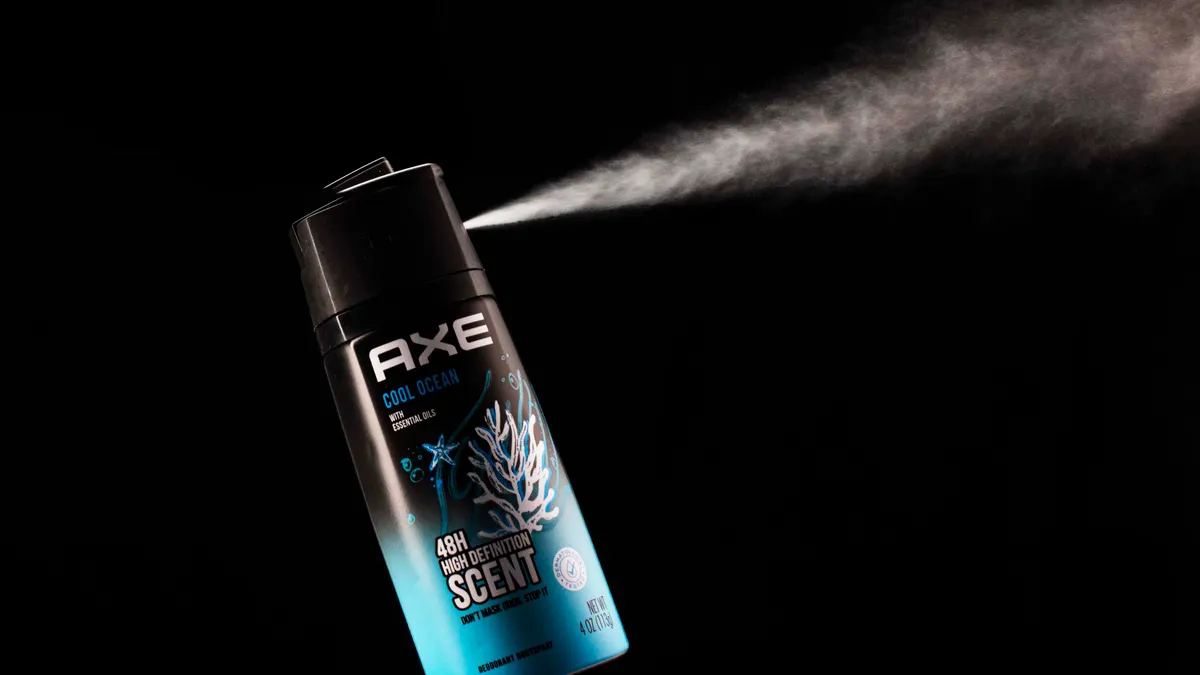
Baking soda can irritate sensitive underarms because it can push the skin’s surface out of its usual range and disturb the barrier that keeps moisture in and irritants out. Sometimes that shows up as a burn right away; other times it arrives later as dry patches, peeling, or a rash along the edge of the underarm.
The damage is often cumulative. One use can feel fine, then a reaction appears after several days because the skin has been stressed again and again. Shaving makes the whole thing worse, because even a small nick gives the formula a route into already irritated skin. Tight sleeves and ordinary friction can pile on too.
Fragrance can be the real troublemaker. A person may blame baking soda when the actual culprit is a scented oil blend, a preservative, or essential oils such as tea tree, lavender, or citrus. That is why a simple ingredient list matters more than a pretty label.
If your skin is already inflamed, switching to a baking soda free deodorant is smarter than trying to tough it out with the same formula for another week. Severe, persistent, or spreading irritation should be checked by a clinician or dermatologist. A deodorant should not leave you raw for days.
The useful rule is simple: if your underarms sting within minutes or stay itchy after every application, baking soda is a likely suspect, but not the only one.
For patch-testing guidance, Cleveland Clinic recommends trying a small amount first when a product might irritate sensitive skin. Cleveland Clinic
How to choose a baking soda free formula that still controls odor
Look for magnesium hydroxide or zinc ricinoleate near the front of the ingredient list, and make fragrance-free your default if your skin reacts easily. That pairing gives you odor control without leaning on scent to cover everything up.
A quick checklist narrows the options:
- Look for magnesium hydroxide if you want a common, gentle odor-fighting base.
- Look for zinc ricinoleate if the formula is designed to bind odor molecules directly.
- Look for arrowroot powder or tapioca starch if you want more dry-down and less tack.
- Look for fragrance-free if you have reacted to perfumes, botanical extracts, or essential oils before.
- Avoid heavy exfoliating claims and brightening claims; those often add more actives than a sensitive underarm needs.
Here is the trade-off: the drier a stick feels, the more likely it is using powders that can pill or drag if you apply too much. Cream deodorant can feel gentler at first, but it may transfer more easily to clothing. A stick may seem cleaner, yet it often needs a lighter hand. Funny how that works.
If you are reading labels, one more detail matters. “Natural fragrance” is not automatically safer than synthetic fragrance. The phrase hides a blend, not a single ingredient. For a reactive underarm, a short, plain ingredient list is usually the safer bet.
A good formula for sensitive skin is usually boring in the best way. It does one job, keeps the ingredient list short, and does not try to act like skincare, perfume, and deodorant all at once.
The FDA notes that cosmetics are not approved before sale in the same way as drugs, so label reading still matters. FDA
A simple routine for trying a new deodorant without a rash
Patch testing comes first, for 24 to 48 hours; after that, move to a thin layer on clean, dry skin for 3 to 5 days. That sequence catches irritation before a small problem turns into a full underarm flare.
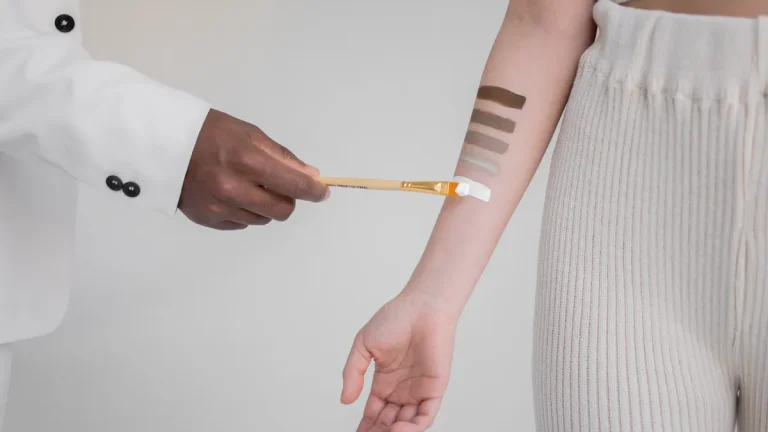
- Test a small spot first. Apply a pea-sized amount, about 0.25 teaspoon, to the inside of one forearm or a small patch near the underarm edge. Leave it on for 24 hours if the product instructions allow it. The goal is to see whether the skin turns red, itchy, or bumpy before full use.
- Check after washing once. Rinse the test area after the wait period and look again over the next 24 hours. A delayed reaction can show up after the skin has dried.
- Start with clean, fully dry underarms. Apply a very thin layer once daily. If it is a cream, use about a rice-grain-to-pea-sized amount per underarm. The result should be a light film, not a white paste.
- Avoid use right after shaving. Wait at least 12 to 24 hours after shaving if your skin is reactive. Freshly shaved skin is more likely to sting, even with a gentler product.
- Increase only if needed. If odor control is weak after several days, add a tiny bit more, not a second full swipe. Too much product can pill, feel sticky, or cause rubbing.
- Watch for the pattern, not just the first hour. Burning, itching, flaking, or a rash that builds over 2 to 3 days means the formula is not a good fit, even if it smelled fine at first.
If the deodorant passes the patch test but still irritates the underarm after a week, the issue may be friction, shaving, or one of the “extra” ingredients such as fragrance or essential oils. Change one thing at a time so you know what actually helped.
What ingredient swaps work best for odor control?
Magnesium hydroxide and zinc ricinoleate are the most useful swaps when baking soda is the problem, and arrowroot powder or tapioca starch help the formula feel more wearable. Each ingredient handles a different piece of the underarm puzzle, so a smart formula often uses more than one.
Magnesium hydroxide is a common pick because it targets odor without the aggressive feel that baking soda can cause. Zinc ricinoleate helps when the goal is to bind odor instead of cover it. That matters for people who want a scent-light or fragrance-free deodorant and do not want to smell “perfumed clean” all day.
Arrowroot powder and tapioca starch do not stop odor on their own, but they change the texture. They soak up some moisture and make the product feel less greasy. If you dislike a slick underarm feel, those powders help. If you are very dry or flaky, a powder-heavy formula can feel dusty or catch on skin texture.
Some formulas also use lightweight oils or butters to make application easier. Comfortable? Yes. But they can also slow dry-down and transfer to shirts. A more balm-like deodorant may suit winter wear better than humid weather.
There is no single perfect swap. The best mix depends on what bothers you most: sting, smell, wetness, or residue. If sting is the main issue, prioritize magnesium hydroxide and fragrance-free packaging over a long ingredient list. If smell is the main issue, zinc ricinoleate deserves attention. If wetness bothers you most, look for arrowroot powder or tapioca starch.
For a broader ingredient map, the hub on natural deodorant ingredients and skin safety is the right next stop; this page is the sensitivity-focused branch. You can also compare this topic with our guide to natural deodorant for wetness and our fragrance-free body care recommendations.
Who should choose fragrance-free, and who should skip this category?
Fragrance-free is the smartest choice for anyone whose underarms react to scented products, especially if previous deodorants caused itching within a few uses. That includes people with sensitive skin, a history of rashes, or a strong reaction to essential oils.
Fragrance-free also helps when you are testing a new formula after a flare-up. Removing scent narrows the list of possible irritants and makes it easier to tell whether the deodorant base is the problem. If the skin calms down on a fragrance-free version, you have learned something useful before buying another scented stick.
This category is not ideal for everyone. If you need very strong sweat management, a natural deodorant may not feel like enough on hot days, during workouts, or under synthetic clothing. And if your irritation comes from a specific powder or oil rather than baking soda, a fragrance-free formula may still bother you.
One more caution: “natural” does not mean “gentle.” Essential oils can be rough on reactive skin, and a product with five botanical extracts may irritate more than a plain, fragrance-free stick. Short ingredient lists usually win here.
If your underarms are cracked, raw, or persistently inflamed, stop experimenting until the skin settles. A product swap should make your routine easier, not turn every morning into a skin test.
Why does baking soda irritate some people?
Baking soda can irritate some people because it is alkaline and can upset the skin barrier in a thin, sensitive area like the underarm. That often shows up as burning, itching, or dry patches after repeated use. Shaving, friction, and added fragrance can make the reaction worse.
What is the best baking soda free deodorant?
The best baking soda free deodorant is the one your skin can tolerate consistently, but there is no single best formula for every sensitive underarm. A fragrance-free product with magnesium hydroxide or zinc ricinoleate is a strong place to start. If odor control is weak, adjust the formula, not just the scent level.
How do you patch test a deodorant?
Patch test a deodorant by applying a small amount to a limited area, then leaving it alone for 24 to 48 hours. Use a spot that is not freshly shaved and watch for redness, itching, swelling, or delayed irritation. If the test area reacts, do not move to full underarm use.
Drafted with AI; not yet reviewed by a person.