Last updated: November 05, 2026
Key Takeaways
- Natural deodorant scents usually come from essential oils, fragrance, or the formula’s base smell.
- Natural deodorant scents often fall into a few families, and each behaves differently in a stick, cream, or balm.
- Stronger scent changes the experience because underarm heat can make a formula seem more active than it smells in the jar.
- Odor masking covers smell; odor control reduces the conditions that make smell develop.
Natural deodorant scents are the smells you notice from the formula itself: essential oils, plant extracts, or added fragrance, plus the base smell of the ingredients. In most cases, the best natural deodorant scent is the one you can wear comfortably every day, and unscented deodorant is often the safest choice for people who are sensitive to smell or irritation.
If you are trying to choose a natural deodorant scent, the real question is not “What smells best?” It is “What will I tolerate every day, under warm skin, with clothes on top, after a few hours of wear?” That is the narrower problem this guide answers, and it matters because scent can change both comfort and perceived performance.
What natural deodorant scents actually are
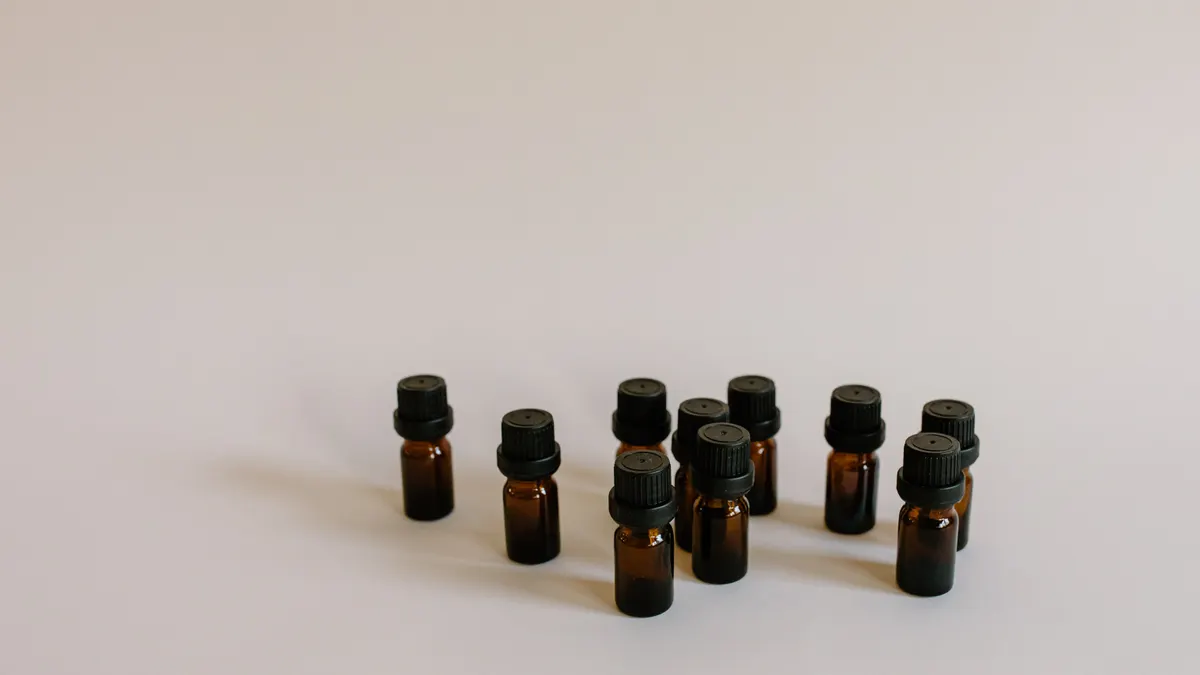
Natural deodorant scents usually come from one of three places: essential oils, fragrance, or the raw scent of the formula. Essential oils like lavender or bergamot are common because they smell distinct at low doses and are easy for brands to list on an ingredient panel. Fragrance can also appear in natural products, even when the rest of the formula uses plant-derived materials. And some sticks are essentially unscented, which means the maker is trying to keep the base smell minimal rather than add a perfume note.
That distinction matters because “natural” does not mean “no scent.” A stick can be marketed as natural and still smell strongly of citrus, herbs, or floral notes. It can also be marketed as natural and still contain fragrance. The word natural tells you more about the brand’s positioning than about how the product will smell on skin.
The easiest way to think about it is this: scent is part preference, part chemistry. Preference is obvious. Chemistry is the less obvious piece. A strong scent may be pleasant for the first minute, then turn sharp once it warms on the body. A mild scent may disappear quickly. A fragrance-free formula may smell a little like wax, starch, or coconut oil, which some people like and others dislike.
This is why broad claims like “fresh scent” are not very useful. A scent can be fresh and still too strong for someone who works in a tight office, rides a train, or shares a bedroom with a person who hates perfume. If you are comparing options, read the scent language as a clue to intensity, not just mood.
For a wider buying framework, the hub on how to choose the best natural deodorant can help with formula type, texture, and application style.
Natural deodorant scents explained by note type
Natural deodorant scents usually fall into a few families, and each one behaves differently in a stick, cream, or balm. Citrus notes such as bergamot tend to read bright and clean. Herbal notes such as lavender feel softer and more obvious. Woodsy or resinous notes can feel heavier and last longer. Mint and eucalyptus can feel very “cool” at first, even if they do not actually cool the skin.
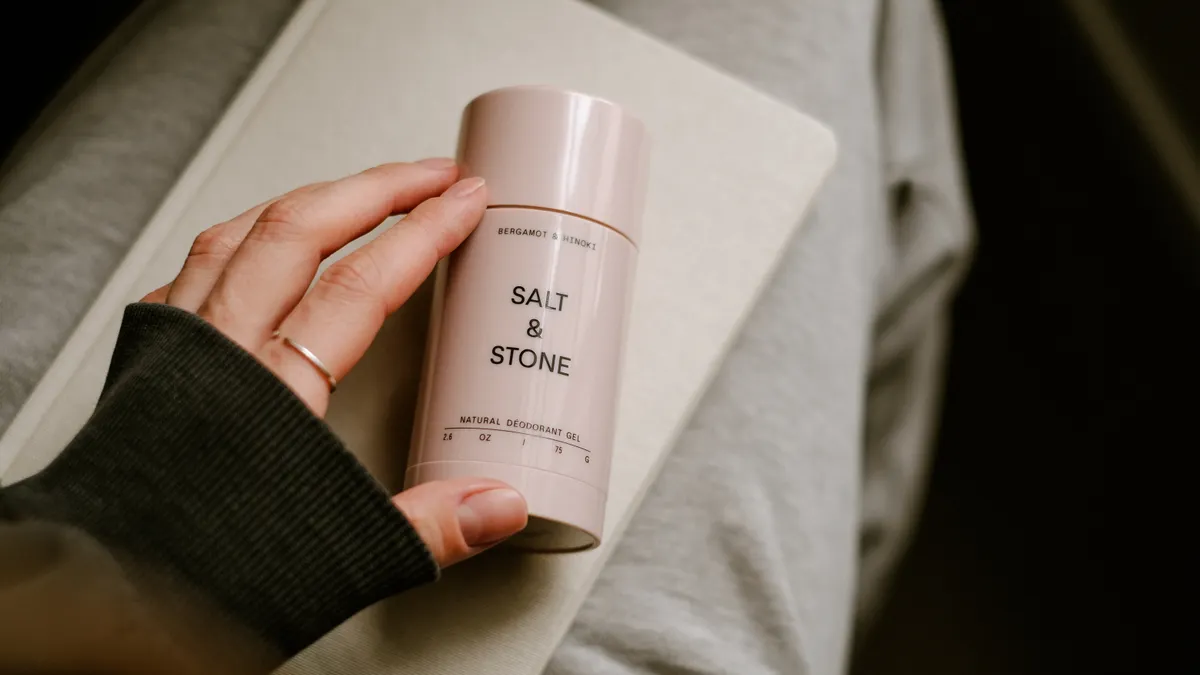
Bergamot is a useful example because it sits between floral and citrus. It is often used to make a scent feel lighter and less sugary. Lavender is the opposite in a way: it announces itself quickly and can dominate the formula if used generously. If you have ever opened a drawer and immediately known a product contained lavender, that is the kind of profile I mean.
The concentration matters as much as the note itself. A 1-ingredient scent idea in a formula still may not smell simple once it is blended into oils, waxes, starches, and butters. A small amount of essential oil can read as “barely there” at first and then fade to nearly nothing after an hour. A heavier hand can cling to fabric. That does not make it better or worse on its own; it makes it more or less suitable for daily wear.
A good way to sort scent families is by what they do in real life:
- Bright scents like citrus usually feel clean and light at application, then fade faster.
- Herbal scents like lavender feel more noticeable and can linger through part of the day.
- Fresh scents like mint can feel sharp and cooling, which some people like in warm weather.
- Soft scents like powdery florals or vanilla-style blends feel cozy but can read sweet.
- No-added-scent formulas are the quietest option, though they may still have a base smell.
If you need a deodorant that stays out of the way during meetings, travel, or layering with perfume, lighter scents are usually the safer bet. If you want a more obvious fragrance experience, richer scents give you that, but they also leave less room for error.
How scent strength changes the way a deodorant wears

Scent strength changes the whole experience because underarm heat turns a formula into something more active than it smells in the jar. A scent that seems gentle on the back of the hand can feel much stronger after 15 to 30 minutes on skin. That is why a deodorant can smell “nice” in the bathroom and then feel too loud once you put on a shirt.
Strength also affects how a product interacts with other smells. If you wear perfume, body lotion, laundry detergent with fragrance, or hair products with scent, the deodorant can either disappear into the mix or fight with everything else. A bergamot-forward stick may blend more easily with other clean scents. A heavy lavender formula may not.
The practical test is not whether the smell is good in isolation. It is whether you want to notice it all day. If the answer is yes, stronger scent is fine. If the answer is no, unscented deodorant or a very light scent is the better match.
Here is a simple way to choose by strength:
- Smell the product before use, then again after warming it in your hand for 20 to 30 seconds. The warmed smell is closer to what you will get on skin.
- Apply a thin, even layer in the morning. A thick swipe can make any scent seem louder.
- Wait 10 minutes before dressing. This gives volatile notes time to settle instead of transferring straight to fabric.
- Check whether the scent is still easy to notice after 1 to 2 hours. That tells you whether the product wears lightly or announces itself.
- Repeat on a second day without any other scented products. That isolates the deodorant scent from lotion, shampoo, or perfume.
The biggest mistake is choosing a scent because it smells strong in the package. That usually costs you comfort later, not because the formula is bad, but because the scent may dominate your day. The opposite mistake is choosing a scent so faint that you keep wondering if the stick is “working.” Scent and odor control are related but not identical.
Odor masking vs odor control: the difference that matters
Odor masking covers smell; odor control reduces the conditions that make smell develop. That difference is the whole game with natural deodorant scents.
A scented formula can make you smell better simply because the added scent is louder than body odor. That is masking. It is useful, and plenty of people want it. But masking alone is not the same as solving odor. A formula can smell like lavender and still let underarm odor show through a few hours later.
Odor control usually depends on ingredients that absorb moisture, change the underarm environment, or limit the smell that bacteria create. The scent is then the finishing layer, not the main job. That is why some natural deodorants smell very faint and still perform well, while others smell beautiful and disappear fast.
This distinction helps when you read labels. If a brand talks mostly about scent, you are probably looking at a product that wants to smell pleasant first. If it talks about odor control, sweat management, or wear time, scent is probably secondary. Neither approach is automatically wrong. The point is to know what you are buying.
For most readers, this is the real decision tree:
- Choose a fresh or soft scent if you want the deodorant to be noticeable but not loud.
- Choose unscented if you want the formula to stay invisible beside perfume, cologne, or laundry scent.
- Choose a strong herbal or floral scent only if you genuinely like smelling it for hours, not just on first swipe.
One useful check is to ask what you want the product to do when scent fades. If you expect the smell to carry the product all day, you are relying on masking. If you want odor control even when the scent softens, read the formula as a deodorant first and a scent second. That distinction saves disappointment.
Are essential oils, fragrance, and unscented deodorant all the same?
No, they are not the same, and the label language matters. Essential oils are specific plant-derived aromatic compounds. Fragrance is a broader term that can refer to a blended scent component, and it may be natural, synthetic, or a mix depending on the product and the brand’s labeling rules. Unscented deodorant is meant to have no added scent, though it may still have a faint base smell from the ingredients.
This is where readers get tripped up. A product advertised as natural may still include fragrance. A product with essential oils may still be heavily scented. A product labeled unscented may still not be completely odorless when you open it.
The practical difference is how much control you get. Essential oils usually create a recognizable “natural” scent profile: lavender, citrus, mint, herbal blends. Fragrance can do that too, but it can also create a cleaner or more perfumed profile. Unscented gives you the least sensory noise, which is useful if you are sensitive to competing smells in a small room or on a hot commute.
If you are trying to separate these options quickly, use this rule of thumb:
- Essential oils: more identifiable botanical scent, often tied to a named note like bergamot or lavender.
- Fragrance: broader and less transparent term; scent may be more complex or more perfume-like.
- Unscented deodorant: the quietest option, best when you do not want scent to be part of the experience.
This page is about scent, not skin sensitivity or ingredient avoidance, so I will keep it focused: the label tells you about the smell, but it does not tell you how your body will react. If your goal is simply to stop fighting with your perfume, laundry detergent, or office environment, unscented is often the least troublesome choice.
How to pick a scent you will actually wear
The best scent is the one you can wear on a hot day, in a closed room, and under a shirt without wishing you had chosen differently. That is the standard. Not “nice on paper.”
A sensible way to choose is to narrow the field before you buy:
- If you like crisp, airy smells, start with citrus or bergamot.
- If you want something familiar and soft, look at lavender.
- If you want the scent to disappear into the background, choose unscented deodorant.
- If you dislike perfume-like products, avoid heavy floral or sweet profiles.
Then look at the product page or package for clues about strength. Words like “fresh,” “light,” or “clean” usually suggest a gentler scent. Words like “botanical,” “aromatic,” or “long-lasting” often imply more presence. Those words are not standards, but they are useful signals.
The most common mistake is shopping by mood alone. A scent that sounds relaxing can still become tiring after 8 hours. A scent that sounds plain can be a relief because it stays quiet. Another mistake is assuming natural equals subtle. Some natural formulas are the loudest things in the drawer.
My position is simple: if you are undecided, start light. Pick a mild citrus, a soft herbal note, or an unscented formula first. Go stronger only if you already know you want the underarm scent to be part of your routine.
That advice is not for people who love fragrance as a ritual. If you want your deodorant to smell like a body mist, choose accordingly. It is also not for someone trying to solve a separate skin issue, because scent choice will not answer that problem. For those decisions, a more targeted guide is the better next step.
The quickest way to make sense of labels before you buy
Read the scent label as a forecast, not a promise. That single habit saves a lot of disappointment because it tells you what the product is trying to do before it reaches your skin.
Start with the fragrance words. If you see essential oils listed with a name like lavender or bergamot, expect a botanical scent profile. If you see fragrance, expect less transparency and possibly more perfume-like complexity. If you see unscented, expect the formula to try to stay out of the way.
Then check whether the scent language is doing the work of the whole product description. A page that spends most of its time on how great it smells may be selling a smell, not a deodorant experience. A page that gives more attention to wear, application, and finish is usually telling you the scent is only one part of the formula.
If you want a fast decision rule, use this:
- Choose a named scent if you know you like that note already.
- Choose unscented if you want no scent conflict at all.
- Choose light scent over strong scent if you are trying a new brand.
- Avoid “strongly scented” wording unless you actively want a noticeable odor trail.
Natural deodorant scents are not just about smelling pleasant. They shape whether the product feels wearable, distracting, or irritating to the nose even when the formula itself is fine. That is why scent deserves attention up front, not after you have already bought three sticks.
For more on ingredient lists and deodorant formats, the FDA cosmetic labeling page and NIH Office of Dietary Supplements fact sheet on essential oils are useful starting points.
Are essential oils safe in deodorant?
Not automatically. Essential oils are common in natural deodorant scents, but “natural” does not guarantee comfort or safety for every person. Some formulas use lavender or bergamot at low levels; others feel much stronger. If you are worried about reactions, ask a dermatologist or pharmacist what makes sense for your skin and health history. The American Academy of Dermatology also notes that fragranced products can irritate sensitive skin.
What does unscented mean on deodorant?
Unscented means the product is made without added scent, or with only enough fragrance-masking to keep the base smell low. It does not always mean the stick has zero smell when you open it. Many unscented deodorants still carry a faint waxy, oily, or starch-like note from the ingredients themselves.
Drafted with AI; not yet reviewed by a person.